
“Government of the people, by the people, for the people, shall not perish from the earth.”
(Gettysburg Address, 1863)
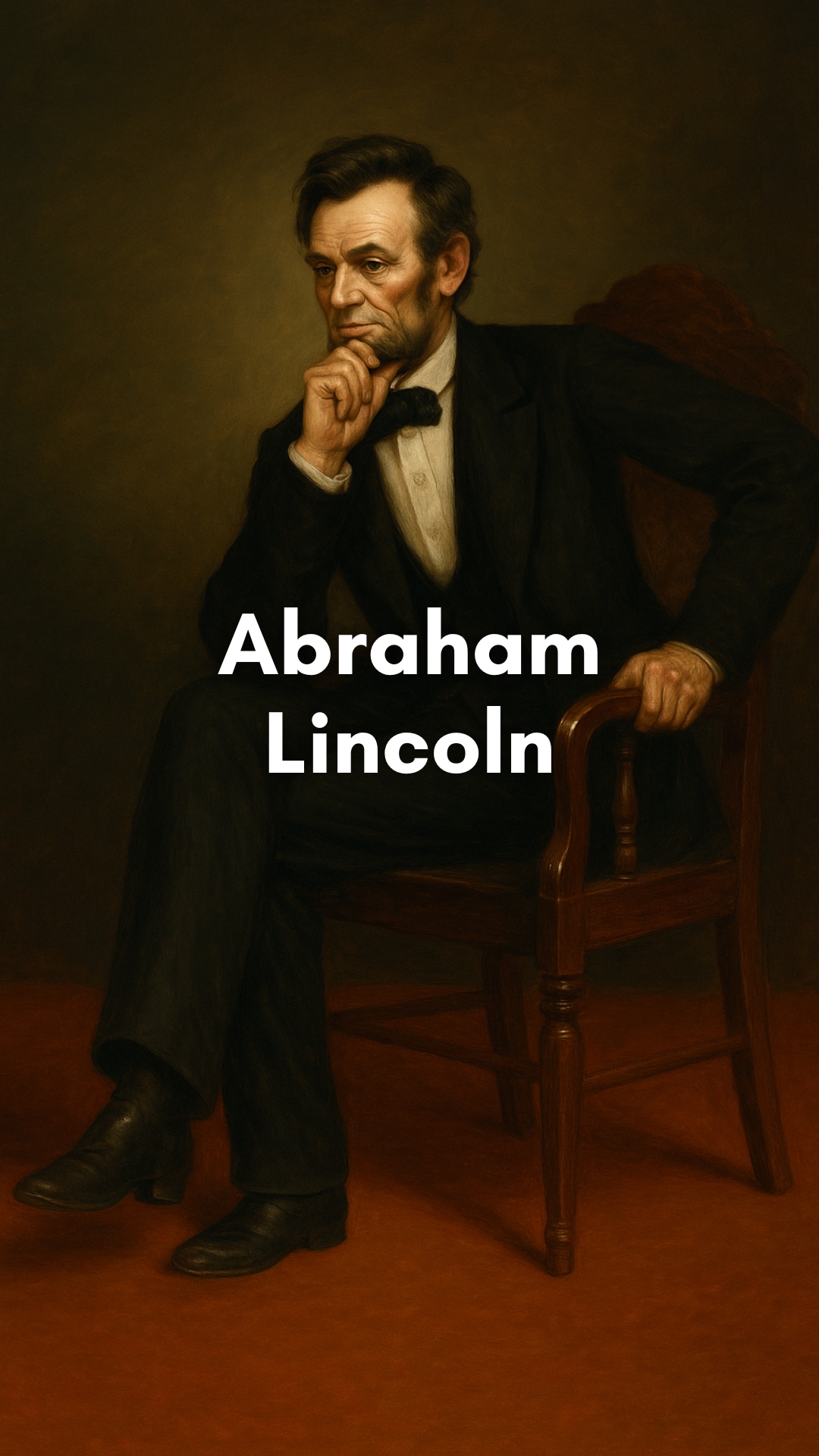
About
Abraham Lincoln rose from a log cabin to lead a divided nation through its darkest hour. With a voice shaped by self-education and moral clarity, he preserved the Union and issued the Emancipation Proclamation, changing the course of American history. Lincoln’s leadership during the Civil War balanced sorrow with resolve, conviction with compassion. His Gettysburg Address spoke volumes in mere minutes, redefining the nation’s purpose. Shot down just days after victory, he became a martyr for liberty… remembered not just as a president, but as a symbol of humility, justice, and unbreakable hope.
Place of Birth
Hodgenville, Kentucky, United States
Birthday
February 12, 1809
Death
April 15, 1865 in Washington, D.C., United States (assassinated)
Legacy
Abraham Lincoln, the 16th President of the United States, is widely regarded as one of the greatest American leaders. He preserved the Union during its greatest crisis (the Civil War) and abolished slavery through the Emancipation Proclamation and the passage of the 13th Amendment. His leadership reshaped the nation’s moral and constitutional foundations, ensuring the survival of democracy in America.
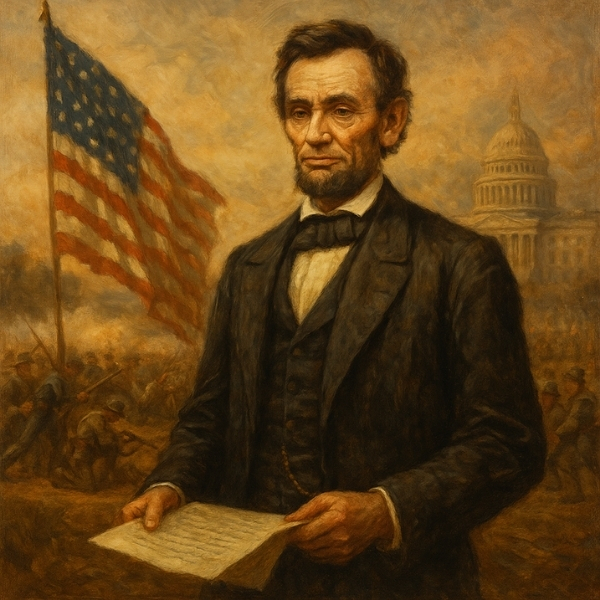
Influence
Lincoln’s influence extended far beyond his presidency. His speeches, especially the Gettysburg Address and Second Inaugural Address, have become moral guideposts for the United States. Leaders across the globe have studied his example of integrity, resilience, and compassion in leadership. His legacy continues to shape discussions on freedom, equality, and the role of government.
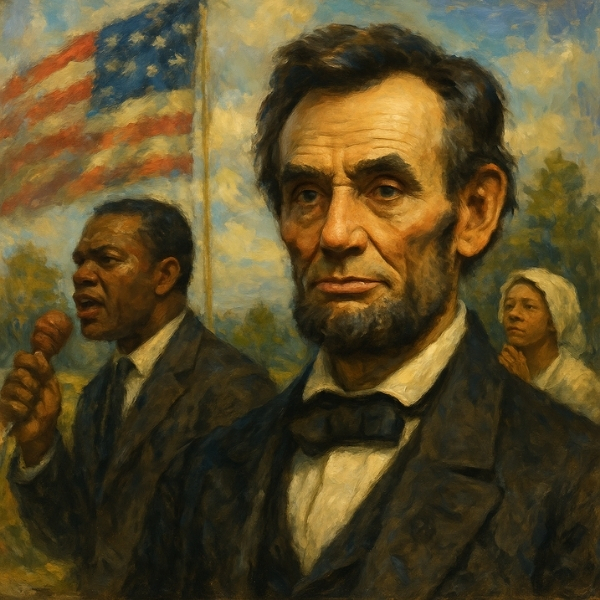
Values & Beliefs
Lincoln valued justice, unity, humility, and human dignity. A self-taught lawyer and gifted orator, he believed deeply in the moral power of democracy and the rule of law. He approached leadership with empathy, guided by a deep sense of responsibility and a belief in redemption and reason. For Lincoln, preserving the Union meant defending the idea that liberty belongs to all.
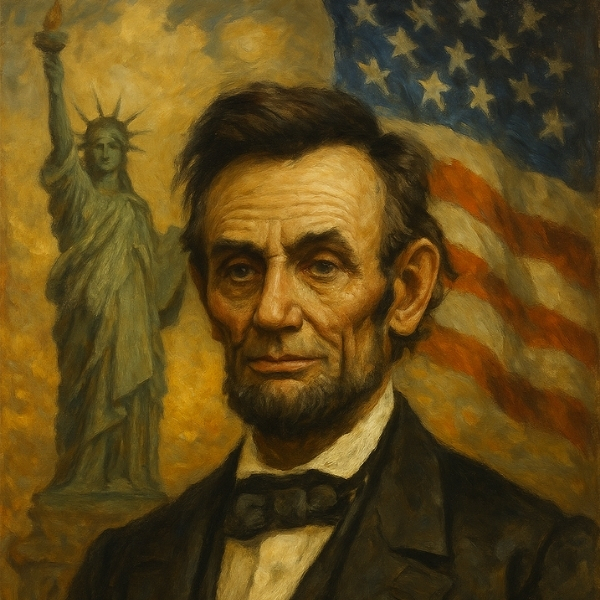
Most Famous For:
Leading the U.S. through the Civil War and preserving the Union
Issuing the Emancipation Proclamation and promoting the 13th Amendment
Delivering the Gettysburg Address and other enduring speeches
Upholding democracy in times of division and violence
“I am not bound to win, but I am bound to be true. I am not bound to succeed, but I am bound to live by the light that I have.”
 Ethan Townzen