
“Facts do not cease to exist because they are ignored.”
About
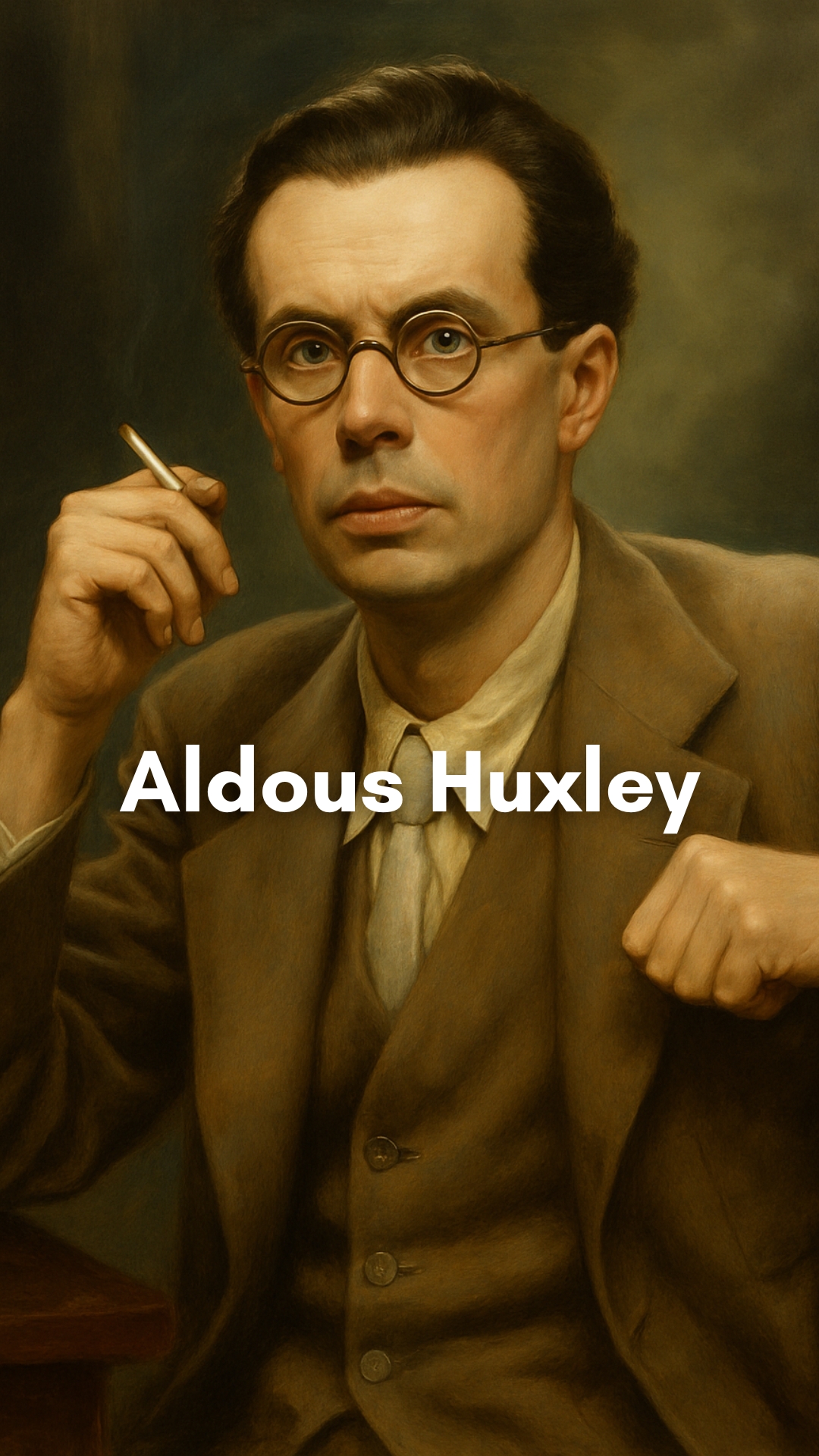
Aldous Huxley was a visionary writer and thinker who saw the future… and warned us about it. Best known for Brave New World, he imagined a world numbed by pleasure, distracted by comfort, and devoid of meaning. But Huxley wasn’t just a dystopian prophet; he was a seeker. Through essays, novels, and psychedelics, he explored consciousness, spirituality, and the limits of knowledge. A critic of conformity and a student of mysticism, Huxley urged us to wake up… to question control, embrace truth, and expand the horizons of the human mind.
Place of Birth
Godalming, Surrey, England
Birthday
July 26, 1894
Death
November 22, 1963 in Los Angeles, California, United States
Legacy
Aldous Huxley was an English writer, philosopher, and social critic best remembered for his dystopian novel Brave New World. Known for his intellectual breadth and moral urgency, Huxley foresaw the impact of mass consumerism, technology, and authoritarian control long before they dominated public discourse. His works continue to challenge readers to think critically about freedom, identity, and the future of civilization.
Influence
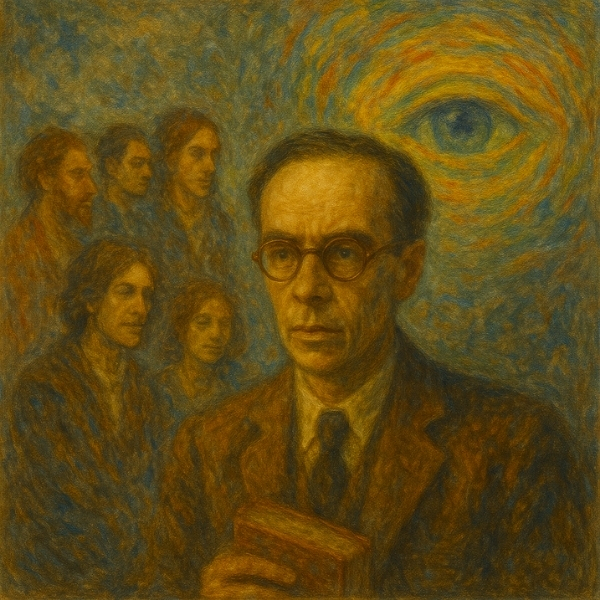
Huxley’s influence spans literature, philosophy, psychology, and countercultural movements. Brave New World became a foundational text in dystopian fiction, influencing authors like George Orwell, Margaret Atwood, and Ray Bradbury. His essays on consciousness, spiritual exploration, and psychedelics also made him a key figure in 1960s counterculture and modern discussions of altered states of mind.
Values & Beliefs
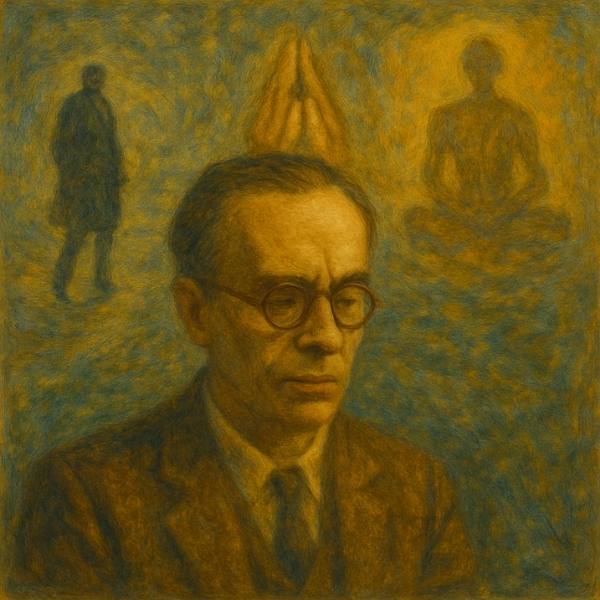
Huxley valued individual freedom, self-awareness, and the search for truth—both scientific and spiritual. He warned against the dehumanizing effects of mass conformity, shallow entertainment, and the misuse of technology. Over time, his beliefs shifted toward mysticism and inner transformation, and he became an advocate for expanded consciousness through meditation, art, and psychedelics.
Most Famous For:
Writing Brave New World, one of the most important dystopian novels of the 20th century
Exploring the tension between freedom and control in modern society
Bridging literature, science, and mysticism in essays and novels
Pioneering psychedelic thought with The Doors of Perception
“The secret of genius is to carry the spirit of the child into old age, which means never losing your enthusiasm.”
 Ethan Townzen