
“Courage commands the seas as well as the land.”

About
Artemisia I of Caria was the queen of Halicarnassus and a naval commander who served as an ally to Xerxes I of Persia during the Greco-Persian Wars. She ruled after the death of her husband and led her fleet in the Battle of Salamis, where her tactical skill and bravery earned the respect of her allies and enemies alike. She was one of the few women in antiquity to command troops in battle, making her a rare female figure in Greek and Persian military history.
Place of Birth
Halicarnassus (modern Bodrum, Turkey)
Birthday
around 520 BCE
Death
460 BCE (Lefkada, Greece)
Legacy
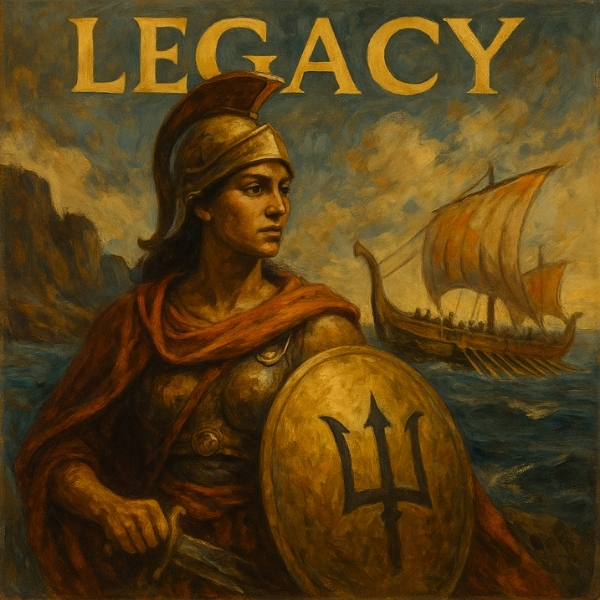
Artemisia’s legacy is one of fearless leadership and tactical brilliance. She is remembered for her decisive actions during the Battle of Salamis, where she cleverly evaded pursuit and executed maneuvers that impressed Xerxes himself. Her name has endured in historical accounts by Herodotus, who praised her intelligence and courage, ensuring her place as a notable woman in a male-dominated era of warfare.
Influence
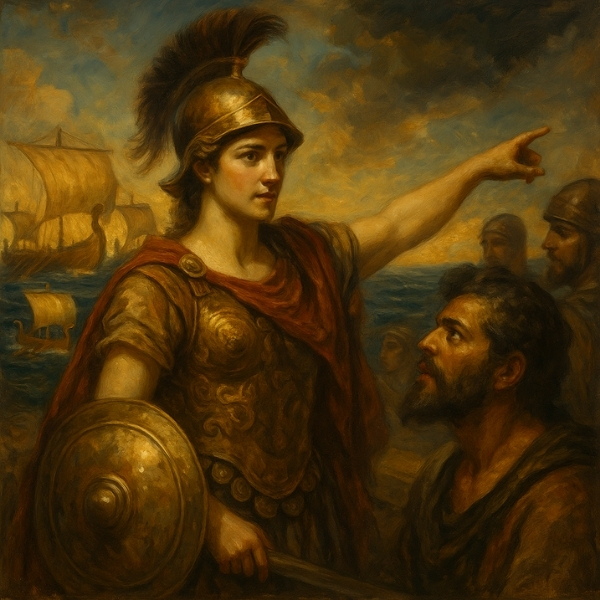
Artemisia I influenced both Persian and Greek perceptions of women’s capabilities in leadership and warfare. She demonstrated that women could excel in strategy and command respect on the battlefield. Her life has inspired historical writings, legends, and modern interpretations, showcasing her as a symbol of female strength and competence in a sphere dominated by men.
Values & Beliefs
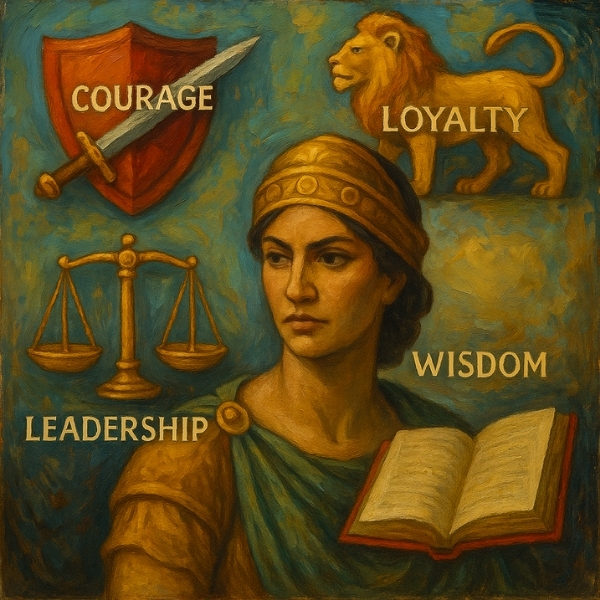
Artemisia valued courage, tactical insight, and loyalty to her allies. She embodied the belief that leadership requires action, clear thinking, and fearlessness, regardless of gender. Her life demonstrated that wisdom and bravery were not limited by societal expectations, and that duty to one’s people required both intellect and resolve.
Most Famous For:
Being queen and naval commander under Xerxes I during the Greco-Persian Wars
Leading her fleet at the Battle of Salamis (480 BCE)
Demonstrating tactical brilliance and bravery that impressed even her enemies
Being one of the few known female naval commanders in antiquity
Remaining an enduring figure through the writings of Herodotus and later historians
“Strategy knows no gender, only courage in the moment of command.”
 Ethan Townzen