
“You are never too old to set another goal or to dream a new dream.”
About
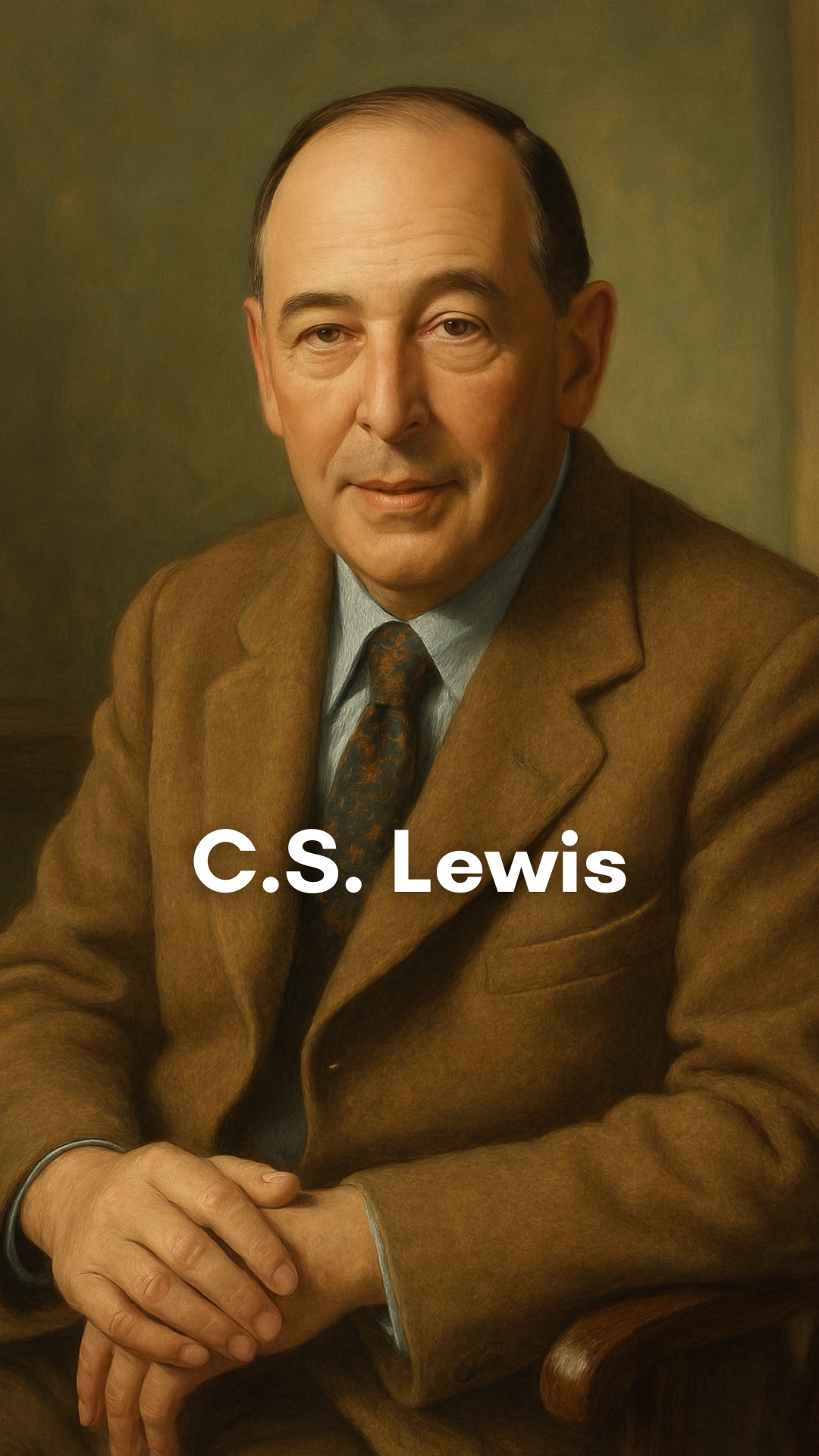
In the quiet halls of Oxford and the enchanted lands of Narnia, C.S. Lewis wove logic and longing into a single, golden thread. Once an atheist, he walked through doubt into faith, not by blind leap, but by reasoned step. With the heart of a dreamer and the mind of a scholar, he showed that truth could speak through fairy tales, and that wonder was never far from wisdom. His words comfort the questioning and inspire the faithful, reminding us all that courage, compassion, and imagination are divine gifts, no matter our age or belief.
Place of Birth
Belfast, Ireland (now Northern Ireland)
Birthday
November 29, 1898
Death
November 22, 1963 in Oxford, England
Legacy
C.S. Lewis was a British writer, scholar, and Christian apologist best known for blending deep theological insight with imaginative storytelling. Through both academic works and popular fiction, he reached a global audience and reshaped how faith and reason could coexist. His legacy endures in literature, Christian thought, and children’s fantasy, where moral truth and wonder meet.

Influence
Lewis influenced countless writers, theologians, and thinkers with his clear prose and ability to tackle complex spiritual themes in accessible ways. His works have inspired believers and skeptics alike, from J.R.R. Tolkien to modern philosophers and educators. The Chronicles of Narnia remains one of the most beloved series in children’s literature, adapted for film, stage, and study.
Values & Beliefs
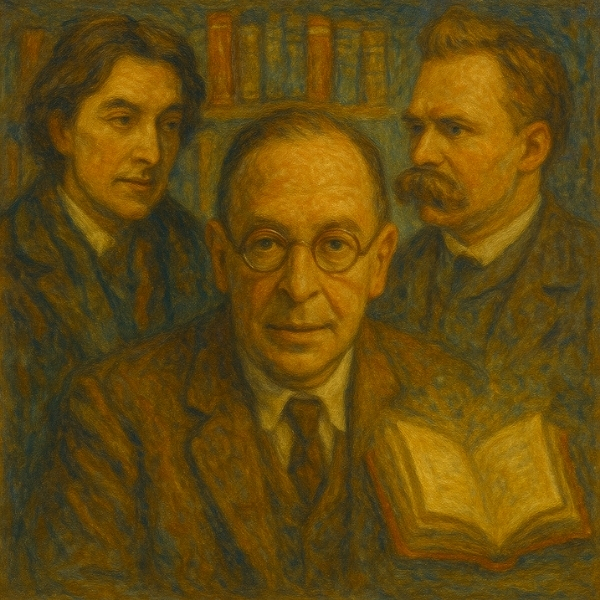
C.S. Lewis valued faith, reason, imagination, and moral clarity. A former atheist turned Christian, he passionately defended the compatibility of logic and belief. He emphasized the power of myth, the importance of virtue, and the eternal significance of the soul. Lewis believed stories could awaken spiritual truths and help people wrestle with suffering, doubt, and redemption.
Most Famous For:
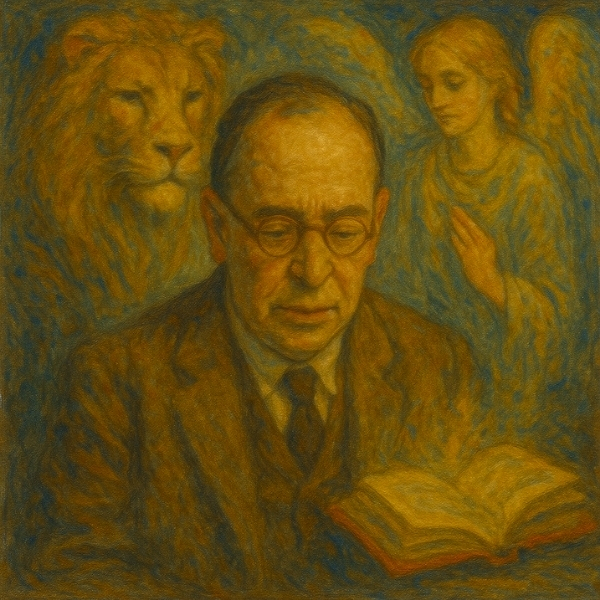
Writing The Chronicles of Narnia series
Defending Christianity through books like Mere Christianity and The Problem of Pain
Blending theology, philosophy, and fantasy with clarity and compassion
Influencing modern Christian apologetics and spiritual literature
“Hardships often prepare ordinary people for an extraordinary destiny.”
 Ethan Townzen