
“I found Rome a city of bricks and left it a city of marble.”
About
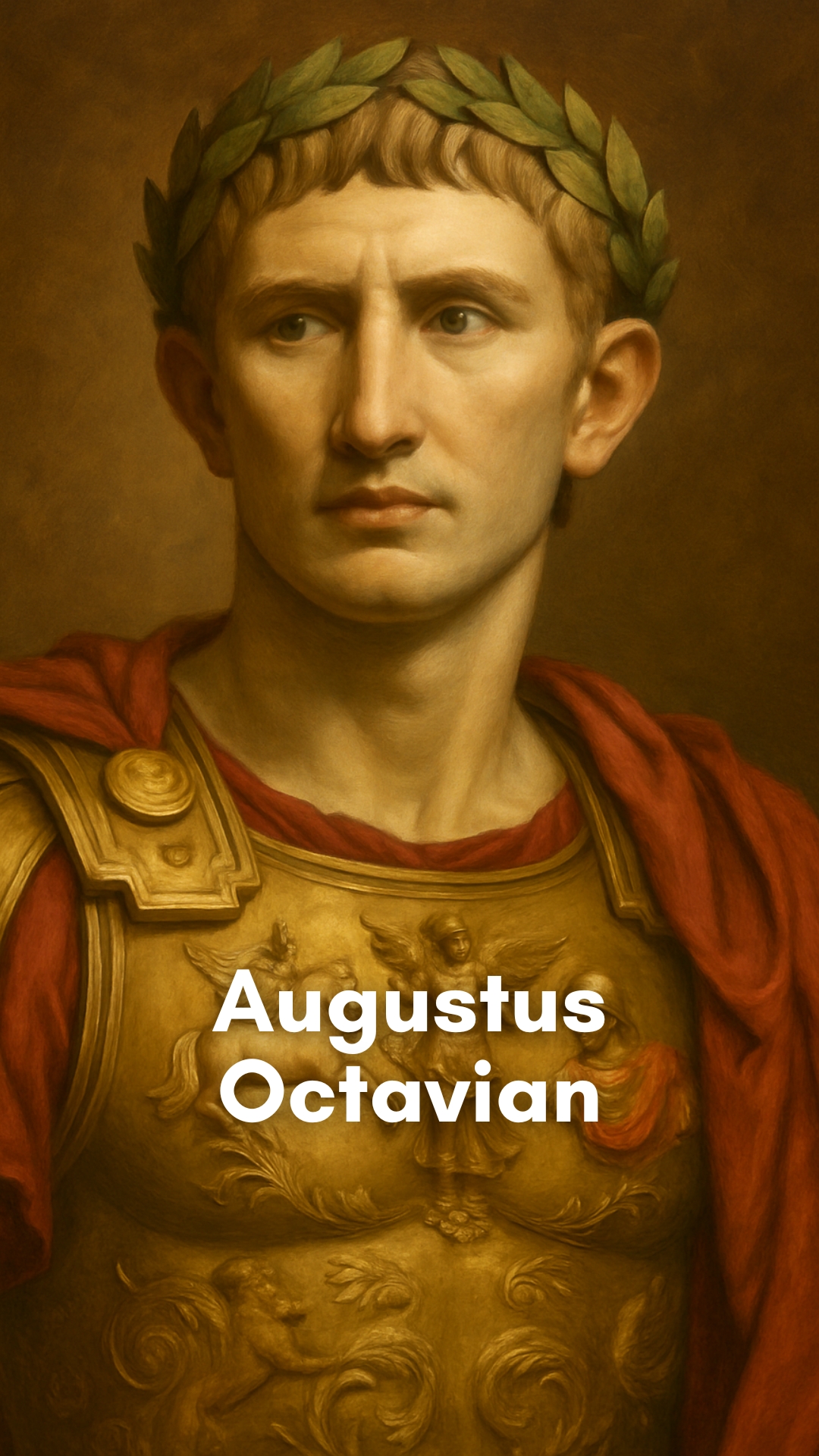
He inherited chaos and sculpted empire. With the mind of a statesman and the patience of a sculptor, Augustus laid the marble foundation of Rome’s greatness. He ended the wars that tore the Republic apart, not by force alone, but through order, reform, and image. Calling himself princeps rather than king, he ruled absolutely while appearing modest, a master of power wrapped in virtue. Roads stretched, laws tightened, temples rose, and for two centuries, peace followed. Augustus didn’t just rule Rome… he remade it, and in doing so, reshaped the very idea of leadership.
Place of Birth
Roman Republic
Birthday
September 23, 63 BCE
Death
August 19, 14 CE in Nola, Italy
Legacy
Augustus, born Gaius Octavius and later known as Octavian, was the first Emperor of Rome and the adopted heir of Julius Caesar. He ruled from 27 BCE until his death in 14 CE, ushering in the Pax Romana, a 200-year era of relative peace and stability across the empire. Augustus transformed Rome from a fractured republic into a centralized imperial power, setting the foundation for centuries of Roman dominance in Europe, North Africa, and the Near East.
Influence
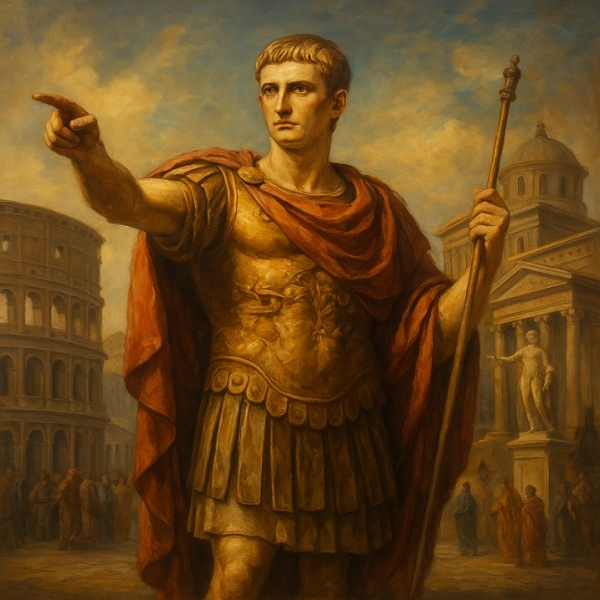
Augustus’ reign marked the end of civil war and the birth of the Roman Empire. His reforms in administration, taxation, infrastructure, and military organization reshaped Roman governance. He crafted a careful image of a “princeps” (first citizen) rather than a monarch, ensuring popular support while holding absolute power. His legacy inspired future emperors and leaders, and his political strategies are still studied for their brilliance and subtlety.
Values & Beliefs
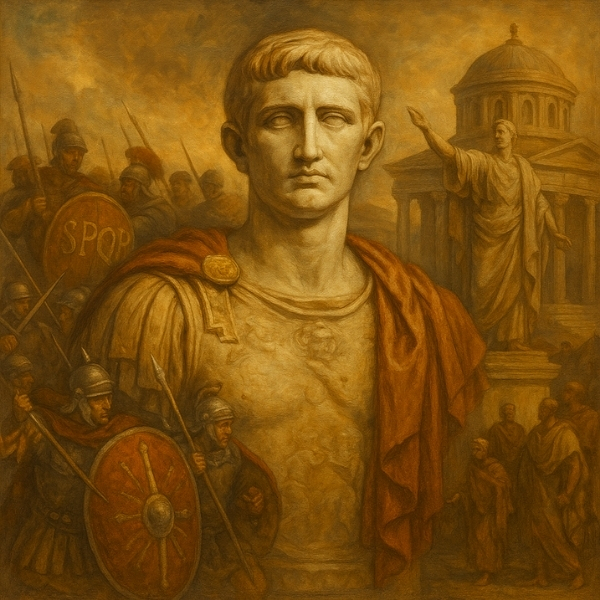
Augustus valued order, discipline, loyalty, and tradition. He emphasized Roman virtues like pietas (duty to family and country) and gravitas (seriousness of purpose). He believed in restoring moral standards and strengthening the Roman state through laws, religion, and culture. While a shrewd politician, he cloaked his power in humility, promoting unity and stability above all.

Most Famous For:
Becoming the first Emperor of Rome and ending the Roman Republic
Ushering in the Pax Romana, a golden age of peace and prosperity
Launching vast reforms in administration, law, and infrastructure
Defeating Mark Antony and Cleopatra at the Battle of Actium
“If I have played my part well, clap your hands, and dismiss me with applause.”
 Ethan Townzen