
“It’s not what happens to you, but how you react to it that matters.”
About
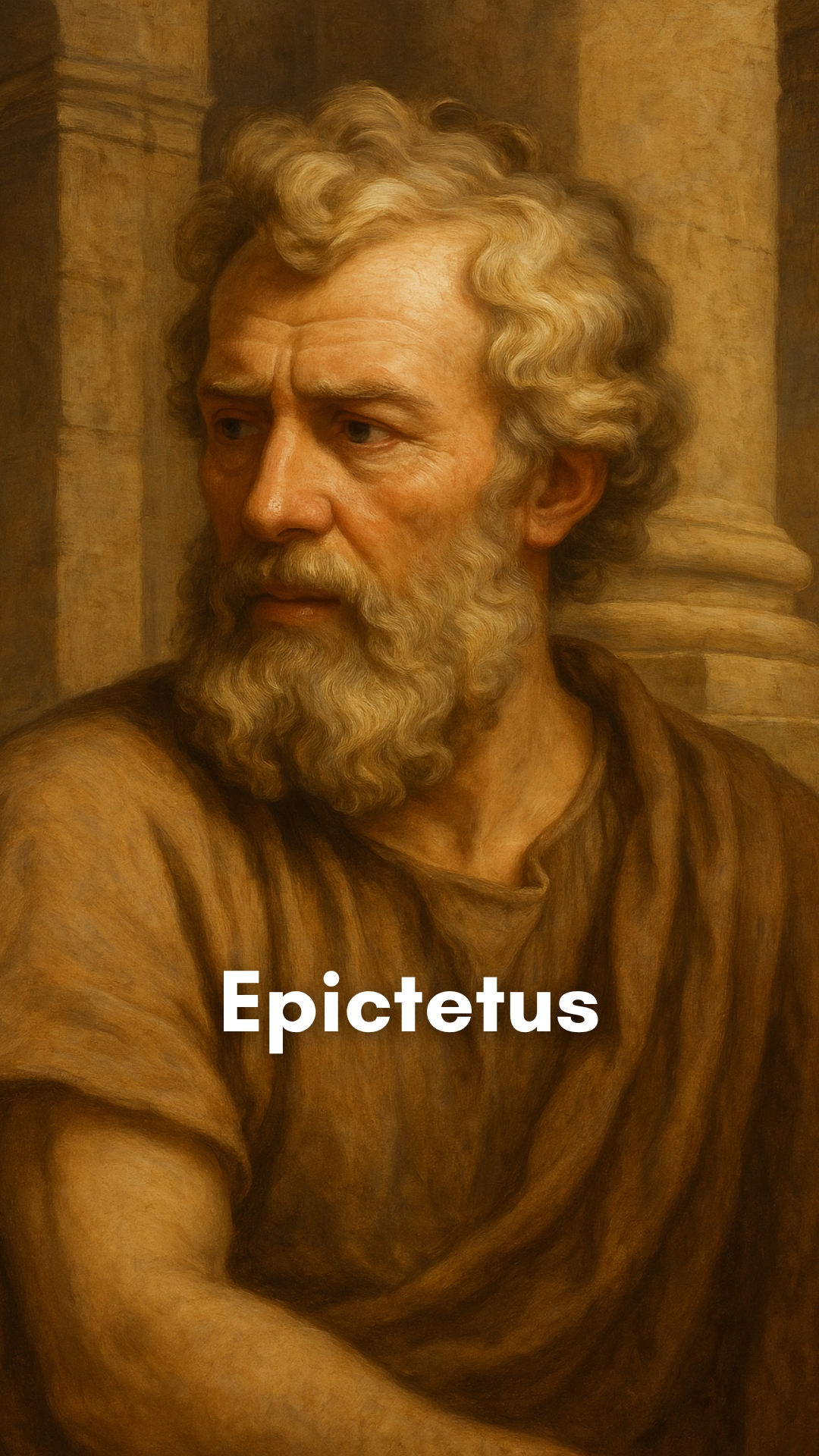
Epictetus was born into slavery, yet rose to become one of the most influential Stoic philosophers in history… a master of inner freedom in a world beyond his control. Crippled in body but unbreakable in spirit, he taught that true power lies not in what happens to us, but in how we choose to respond. Through his lectures, later recorded by his student Arrian, Epictetus offered a practical guide to life rooted in discipline, acceptance, and personal responsibility. He believed that we are all capable of peace, no matter our circumstances, if we learn to master our desires and align with nature. His voice was calm but firm, challenging people to live with integrity and reminding us that the only thing we ever truly own is our will.
Place of Birth
Hierapolis, Phrygia (modern-day Turkey)
Birthday
50 CE
Death
135 CE in Nicopolis, Greece
Legacy
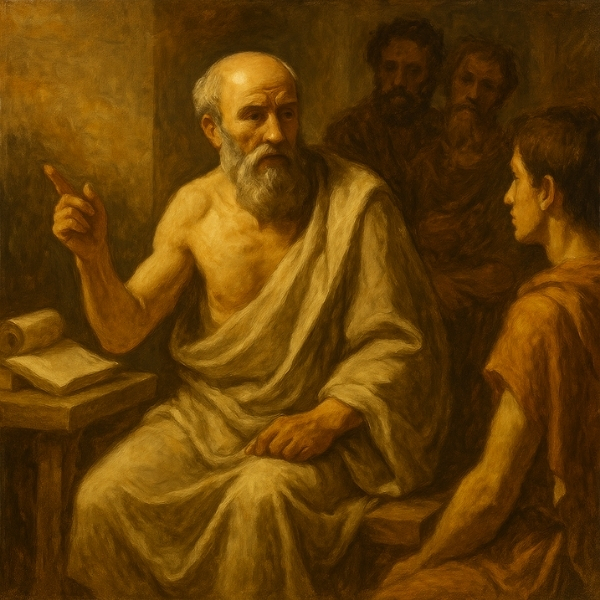
Born into slavery and later freed, Epictetus became one of the most influential Stoic philosophers of the Roman era. He taught that while we cannot control external events, we can control our responses, and that this distinction is the key to inner freedom. His teachings, preserved by his student Arrian, form one of the most practical guides to Stoic living.
Influence
Epictetus’ teachings shaped the worldview of Marcus Aurelius and countless other Stoics. His clear, grounded approach to philosophy has influenced modern psychology (particularly cognitive behavioral therapy), military and leadership training, and self-development practices. His ideas remain deeply relevant to anyone seeking resilience and peace.

Values & Beliefs
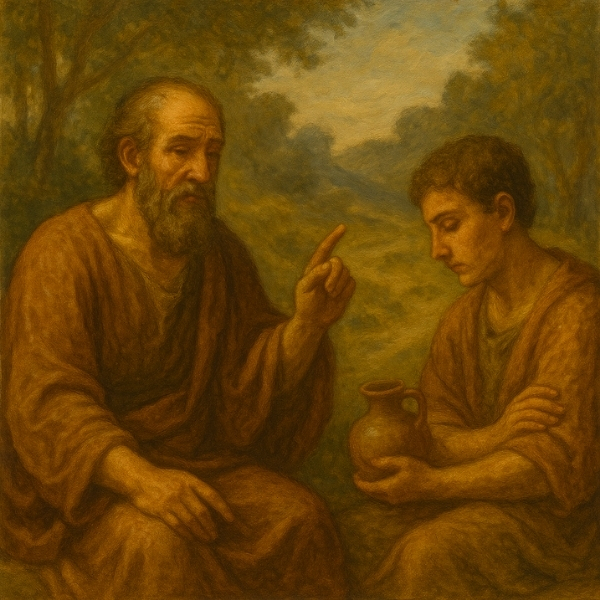
Epictetus emphasized personal responsibility, self-discipline, and acceptance of fate. He believed that the only true good lies in virtue and that suffering stems not from events themselves, but from our judgments about them. His Stoicism was about mastering oneself, controlling desires, and acting with reason, integrity, and humility.
Most Famous For:
Teaching that we should focus only on what’s within our control
Writing (via Arrian) The Discourses and The Enchiridion
Being a key voice in practical Stoicism
Influencing Marcus Aurelius and modern Stoic revival movements
“No man is free who is not master of himself.”
 Ethan Townzen