
“England expects that every man will do his duty.”
(Spoken just before the Battle of Trafalgar, 1805)
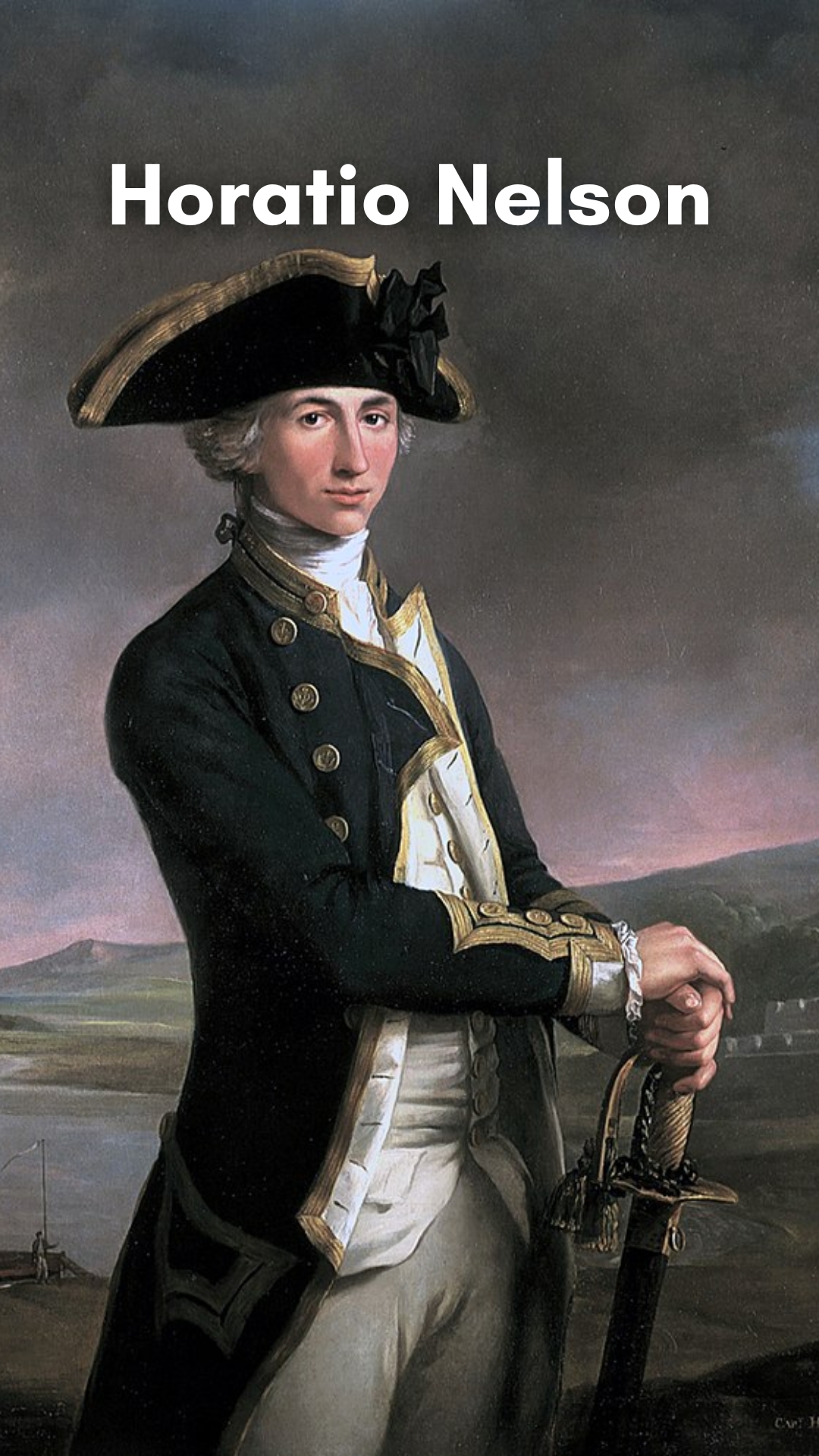
About
Horatio Nelson was the embodiment of fearless command, a naval strategist whose brilliance and boldness helped shape the course of history. Rising through the ranks of the British Royal Navy, he became known for his unorthodox tactics, personal courage, and unwavering commitment to victory. Even after losing an arm and the sight in one eye, Nelson returned to the seas, leading with passion and conviction. At the Battle of the Nile and the Battle of Copenhagen, he defied conventional orders to secure critical wins. But it was at the Battle of Trafalgar where his genius shone brightest, delivering a decisive blow to Napoleon’s fleet… though it cost him his life. Nelson’s leadership inspired loyalty, his actions redefined naval warfare, and his legacy endures as a symbol of valor, sacrifice, and devotion to country.
Place of Birth
Burnham Thorpe, Norfolk, England
Birthday
September 29, 1758
Death
October 21, 1805 in Cape Trafalgar, Spain (aboard HMS Victory)
Legacy
Horatio Nelson was a British naval commander whose victories during the Napoleonic Wars established Britain’s dominance at sea for more than a century. His most celebrated triumph came at the Battle of Trafalgar, where he secured a decisive victory over the French and Spanish fleets, but lost his life in the process. Nelson became a national hero and symbol of bravery, sacrifice, and patriotism in the face of overwhelming odds.
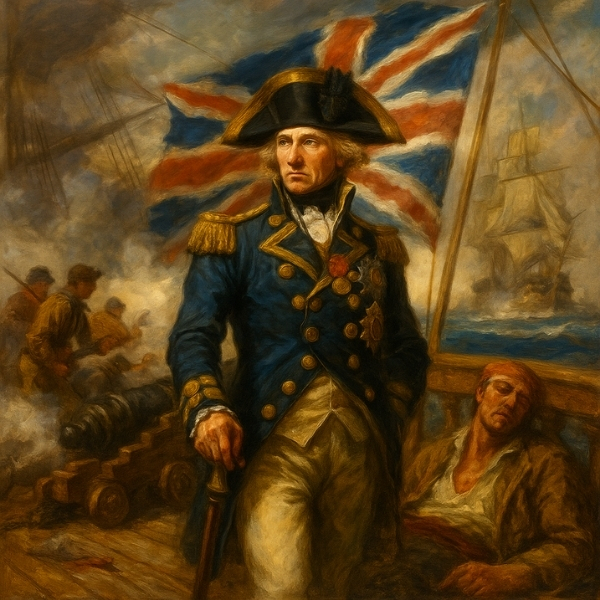
Influence
Nelson’s influence shaped naval strategy, military leadership, and British identity. His bold tactics, personal charisma, and ability to inspire loyalty redefined what it meant to lead in battle. Naval commanders around the world studied his maneuvers, especially his willingness to take calculated risks to achieve overwhelming victories. His death in victory immortalized him as a martyr for empire and honor.
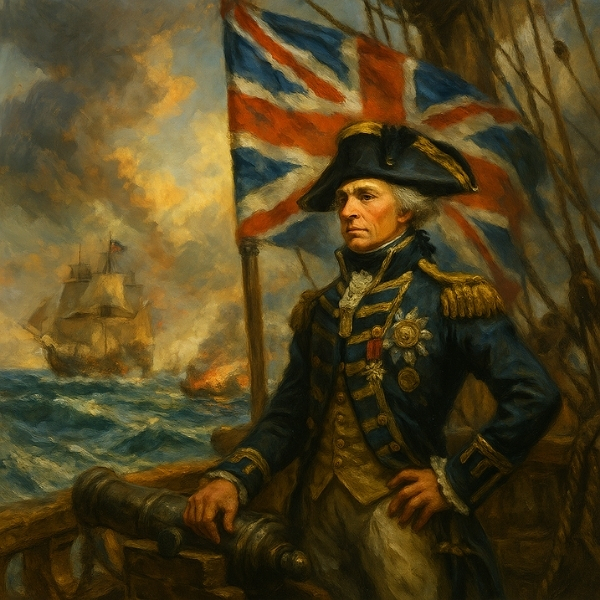
Values & Beliefs
Nelson believed in courage, loyalty, and service to country. Despite physical hardships, losing sight in one eye and an arm, he led from the front, embodying valor and resilience. He valued decisive action, moral clarity, and personal connection with his crew. His deep devotion to Britain and his men made him both feared by enemies and revered by his countrymen.
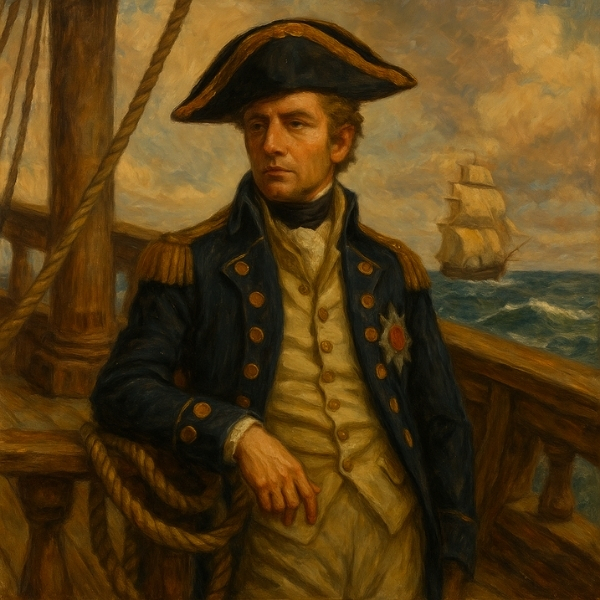
Most Famous For:
Winning the Battle of Trafalgar and securing British naval supremacy
Using innovative naval tactics and inspirational leadership
Becoming a symbol of heroic sacrifice for the British Empire
Leading major victories at the Nile and Copenhagen
“I cannot command winds and weather, but I can command my ships.”
 Ethan Townzen