
“Reserve your right to think, for even to think wrongly is better than not to think at all.”
About
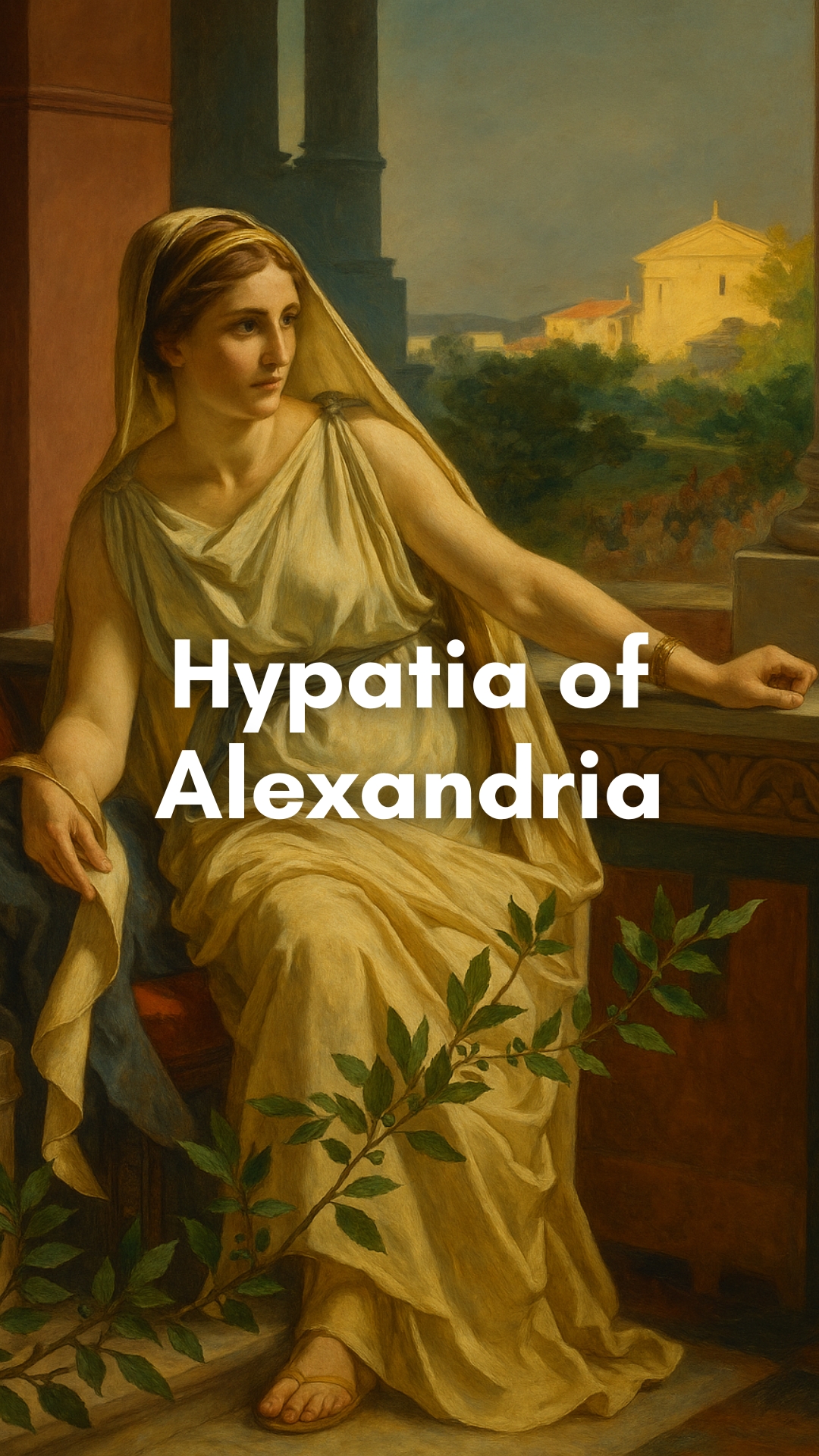
In an age darkening with fear, Hypatia stood as a flame, devoted to reason, radiant with knowledge. She taught under open skies and in shadowed halls, unafraid to question, unafraid to lead. Mathematician, philosopher, astronomer, she made no apologies for her mind, even as the world around her turned violent. Her murder marked the end of an era, but her life became legend: a martyr not for empire, but for enlightenment. In every voice that speaks truth to power, and every mind that dares to think freely, Hypatia endures.
Place of Birth
Alexandria, Egypt (then part of the Eastern Roman Empire)
Birthday
360 AD
Death
March 415 AD (Alexandria, Egypt)
Legacy
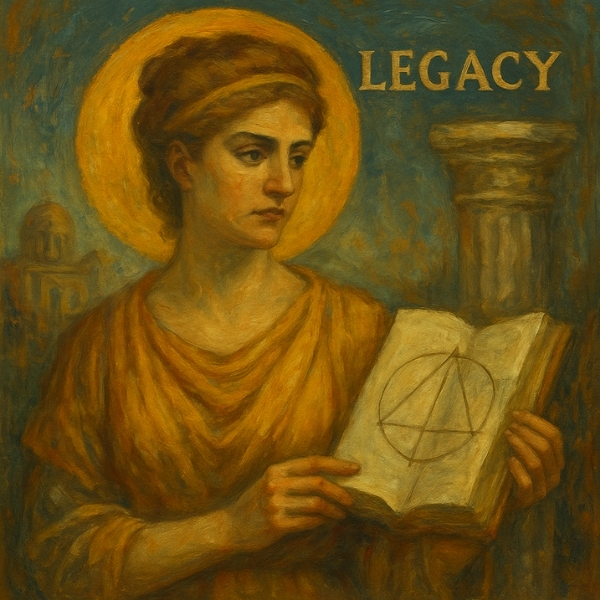
Hypatia’s legacy represents the enduring power of reason, education, and courage in the face of ignorance and violence. Her brutal murder by a Christian mob marked the symbolic end of classical antiquity and the beginning of the Dark Ages. Today, she stands as a martyr for science, free thought, and women’s intellectual agency. Hypatia became an icon in literature, feminist history, and secular philosophy.
Influence
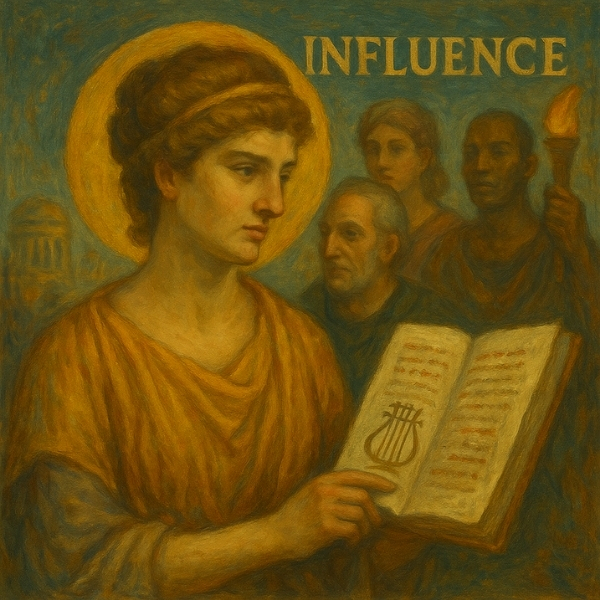
Hypatia inspired generations of thinkers, writers, and activists. She became a symbol of resistance against dogma and the silencing of knowledge. Her life has influenced works by Enlightenment philosophers, modern feminists, and authors exploring the clash between faith and reason. Her presence in films, novels, and historical discourse keeps her legacy alive as a beacon for intellectual freedom and gender equality.
Values & Beliefs
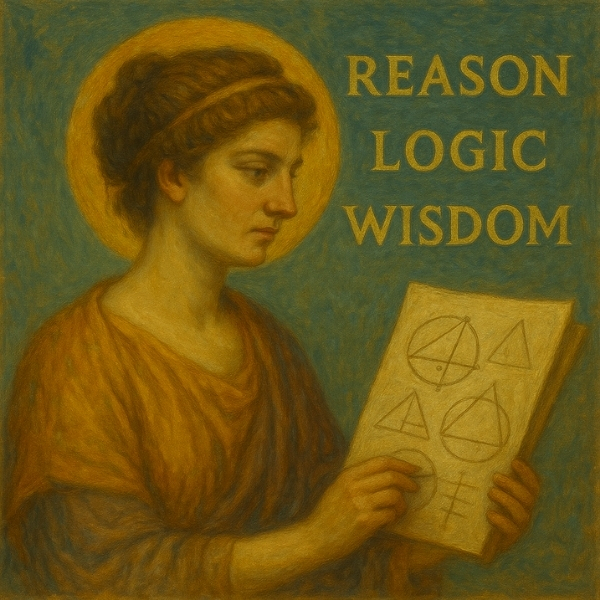
Hypatia believed in the pursuit of truth through reason, logic, and open inquiry. As a Neoplatonist, she emphasized the unity of the cosmos and the importance of rational thought as a path to understanding it. She valued knowledge, virtue, and humility, and taught her students to question boldly and seek wisdom without fear. She stood for coexistence and enlightenment at a time when division and dogmatism were rising.
Most Famous For:
The first historically significant female mathematician and philosopher
Teaching and writing on geometry, astronomy, and Neoplatonism
Leading the Library of Alexandria’s philosophical school
Becoming a martyr for science, reason, and free thought
Quoted by Enlightenment and contemporary scholars as a symbol of rationalism and courage
“Fables should be taught as fables, myths as myths, and miracles as poetic fantasies… Reason alone must guide us.”
 Ethan Townzen