
“The knowledge of anything, since all things have causes, is not acquired or complete unless it is known by its causes.”
About
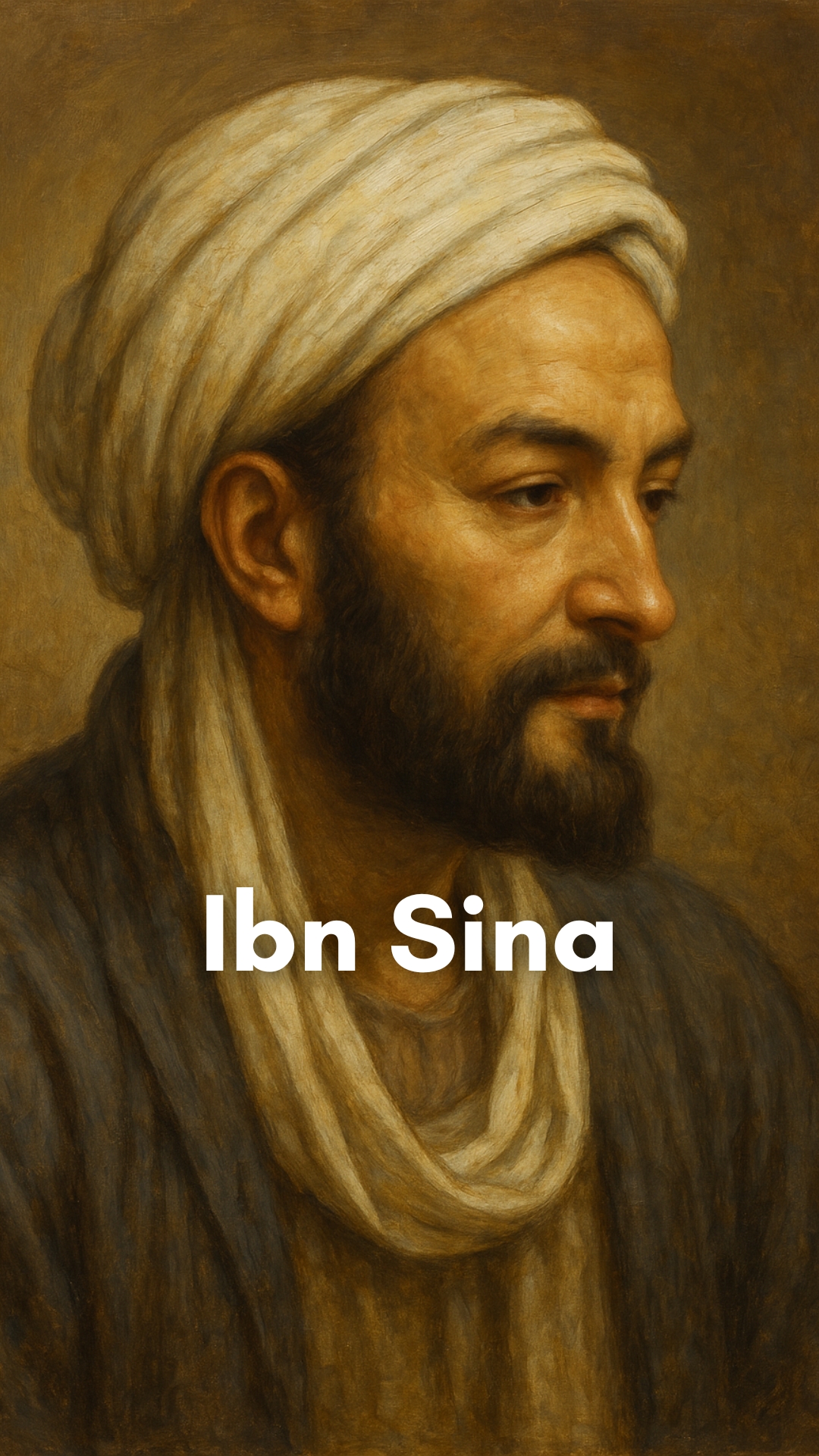
He healed with his hands and with his mind… a seeker of causes, a master of reason. Ibn Sina stood at the crossroads of faith and philosophy, drawing from ancient wisdom to shape the medicine, metaphysics, and ethics of a new world. His Canon of Medicine became a compass for centuries, guiding both East and West. To him, truth was not a possession, but a pursuit one that demanded clarity, discipline, and wonder. In a world divided by borders, his ideas flowed freely, proving that knowledge, like healing, belongs to all who seek it.
Place of Birth
Afshana, near Bukhara (modern-day Uzbekistan)
Birthday
August 23, 980 CE
Death
June 22, 1037 CE in Hamadan, Iran
Legacy
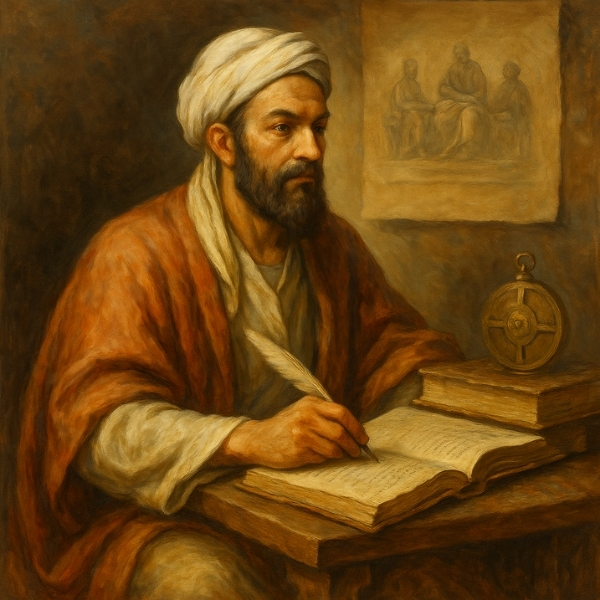
Ibn Sina, also known in the West as Avicenna, was a Persian polymath who made monumental contributions to philosophy, medicine, and science during the Islamic Golden Age. Often called the “father of early modern medicine,” he authored The Book of Healing and The Canon of Medicine, which remained standard medical texts in Europe and the Islamic world for centuries.
Influence
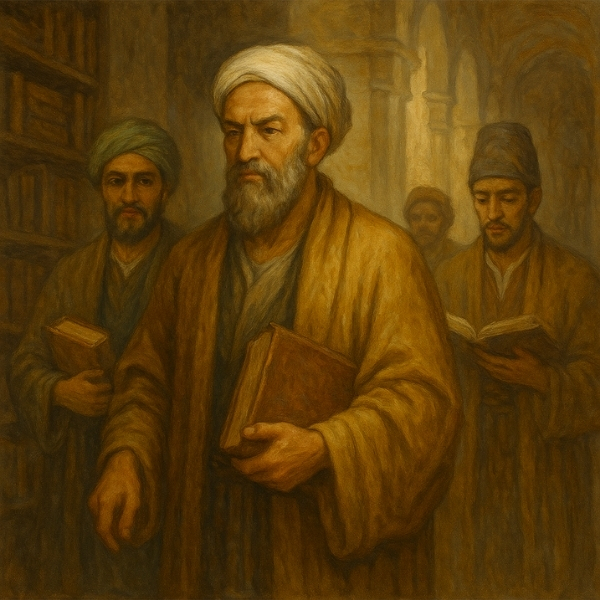
Ibn Sina’s influence spans both Eastern and Western intellectual traditions. His work shaped Islamic philosophy, integrating Aristotelian and Neoplatonic ideas with Islamic theology. In medieval Europe, he became a central figure in scholasticism, influencing thinkers such as Thomas Aquinas. His rational approach to science, metaphysics, and medicine bridged ancient and modern thought.
Values & Beliefs
Ibn Sina believed in the power of reason, observation, and intellectual discipline. He valued the harmony of faith and reason, seeking to understand the divine through natural law. His worldview emphasized that truth could be approached through both philosophy and empirical inquiry, and that knowledge was a moral pursuit.
Most Famous For:
Writing The Canon of Medicine and The Book of Healing
Advancing Aristotelian thought within Islamic philosophy
Influencing medieval European and Islamic science and metaphysics
Integrating medicine, logic, ethics, and theology
“The world is divided into men who have wit and no religion, and men who have religion and no wit.”
 Ethan Townzen