
“The way to right wrongs is to turn the light of truth upon them.”

About
Ida B. Wells was an African American journalist, educator, and early leader in the civil rights movement. Born into slavery during the Civil War, she became one of the most fearless investigative journalists in American history, dedicating her life to exposing the truth about racial violence, segregation, and the horrors of lynching in the United States.
Place of Birth
Holly Springs, Mississippi, USA
Birthday
July 16, 1862
Death
March 25, 1931, Chicago, IL
Legacy
Wells’ legacy is one of courage, truth-telling, and tireless activism. She used her skills as a writer and orator to document racial injustice and demanded accountability at a time of intense danger. Her pamphlets, articles, and speeches laid the groundwork for the anti-lynching movement and advanced the cause of civil rights. She co-founded the NAACP and inspired generations to stand against racism and injustice with relentless truth and moral clarity.
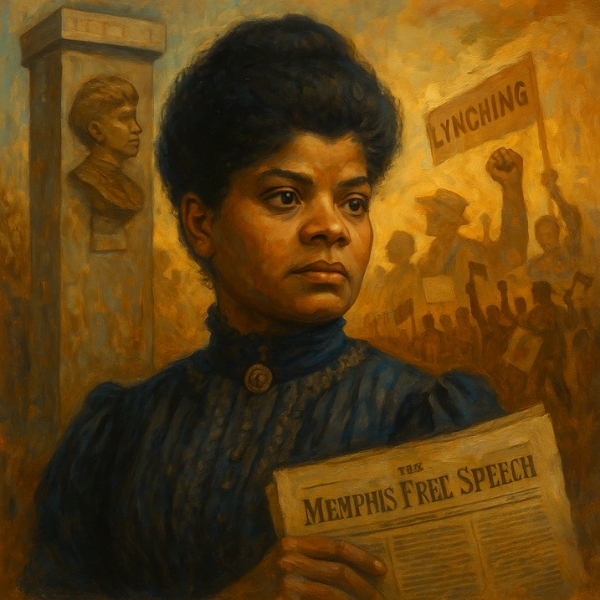
Influence
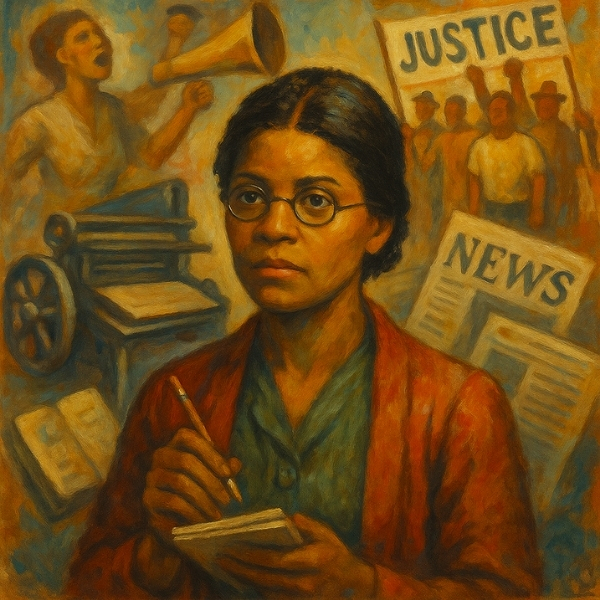
Ida B. Wells influenced journalists, activists, and leaders throughout the civil rights movement and beyond. Her insistence on the power of data and eyewitness accounts set a precedent for investigative journalism. She inspired figures like Rosa Parks, Martin Luther King Jr., and modern advocates for racial justice, women’s rights, and press freedom. Her work has become foundational in discussions of systemic racism and historical truth.
Values & Beliefs
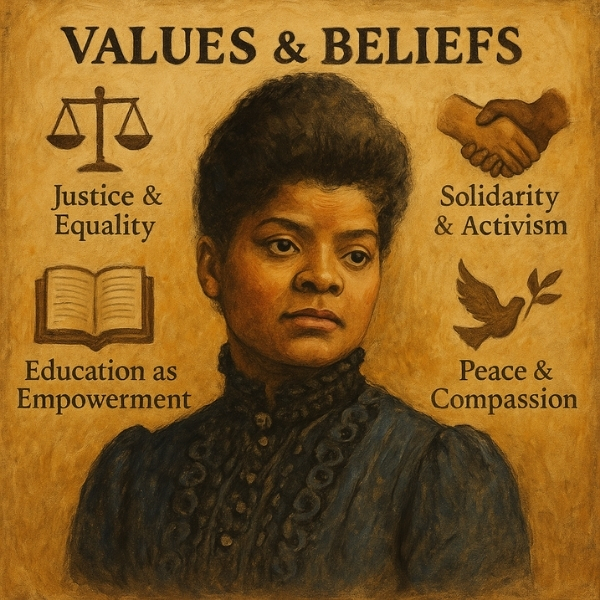
Wells believed in justice, education, and the transformative power of truth. She valued fearless advocacy and believed that silence in the face of injustice was unacceptable. Her commitment to the dignity of all people drove her to confront violence and racism despite personal risk. She also championed women’s suffrage and the right of Black women to be included in the fight for gender equality.
Most Famous For:
Her anti-lynching investigative journalism and activism
Advocating for women’s suffrage and civil rights
Using journalism as a tool for social justice and truth
“One had better die fighting against injustice than to die like a dog or a rat in a trap.”
 Ethan Townzen