
“Create in me a clean heart, O God, and renew a right spirit within me.”
– Psalm 51:10
About
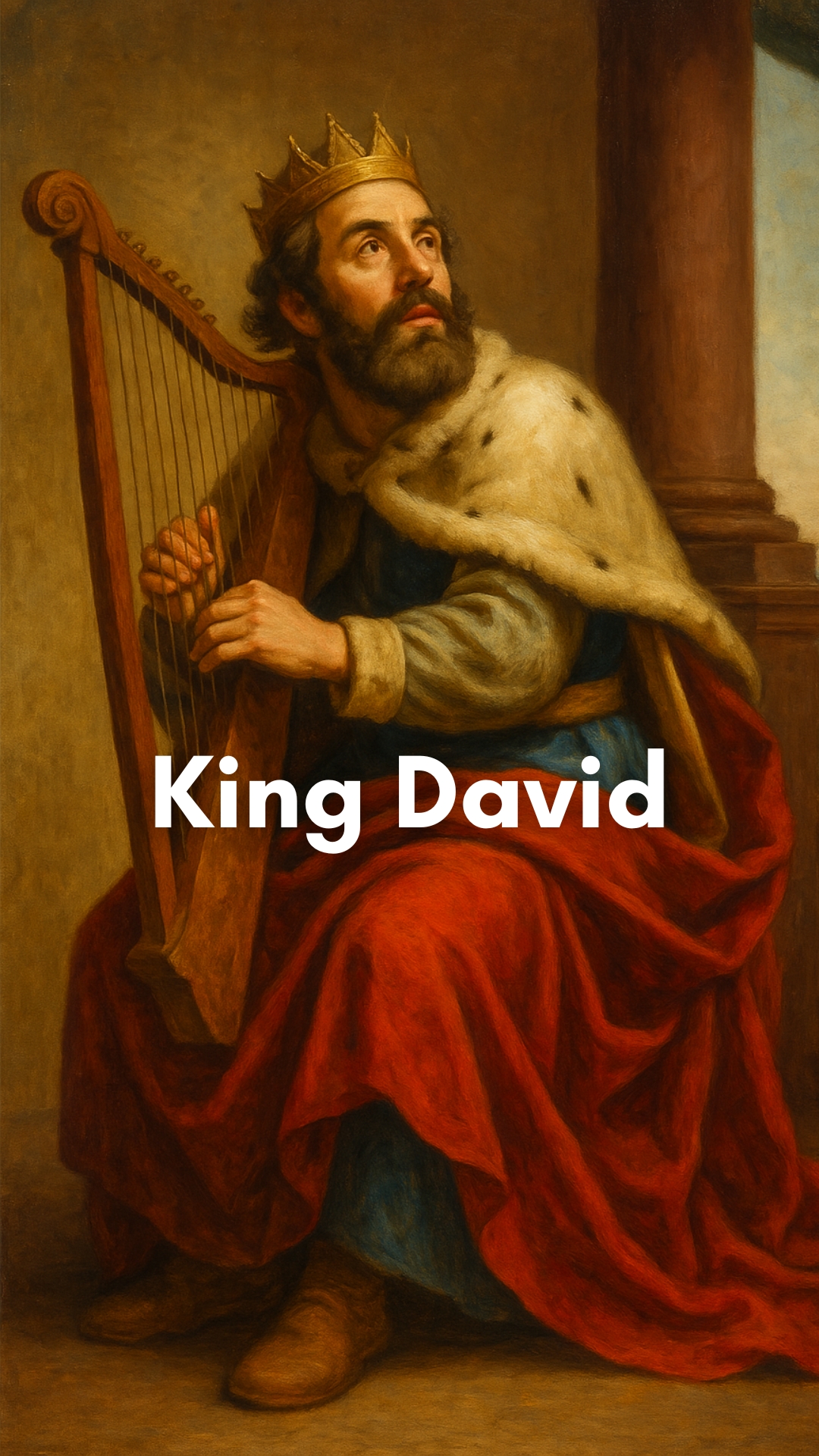
King David was the second king of Israel and one of the most central figures in biblical history. Originally a shepherd boy, David rose to prominence after defeating the giant Goliath with just a sling and a stone. He became a warrior, poet, and king, known for his deep faith, musical talent, and complex humanity. David unified the tribes of Israel, established Jerusalem as the political and spiritual center, and set the foundation for a dynasty that would shape Judeo-Christian history.
Place of Birth
Bethlehem, ancient Kingdom of Judah (modern-day West Bank)
Birthday
1040 BCE
Death
970 BCE, Jerusalem, United Kingdom of Israel
Legacy
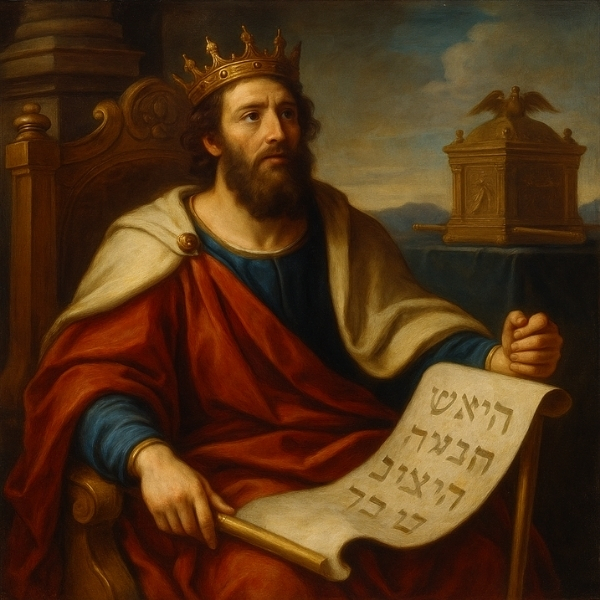
David’s legacy as both a warrior and a worshipper remains unmatched in the Bible. He expanded Israel’s borders, created stability, and brought the Ark of the Covenant to Jerusalem. He composed many of the Psalms, which continue to be sung and recited in both Jewish and Christian traditions. Despite personal failures, most notably his affair with Bathsheba, he is remembered for his genuine repentance and unwavering heart toward God. In Christianity, he is revered as the ancestor of Jesus, making his life a cornerstone in biblical prophecy and lineage.
Influence
Across thousands of years, King David’s story has inspired art, theology, leadership models, and personal devotion. He appears in religious texts, classical art (such as Michelangelo’s “David”), music, literature, and sermons worldwide. The Psalms attributed to him are foundational prayers used in times of joy, sorrow, and repentance. David’s emotional honesty and complexity as a leader make him one of the most studied and humanized figures in scripture.
Values & Beliefs
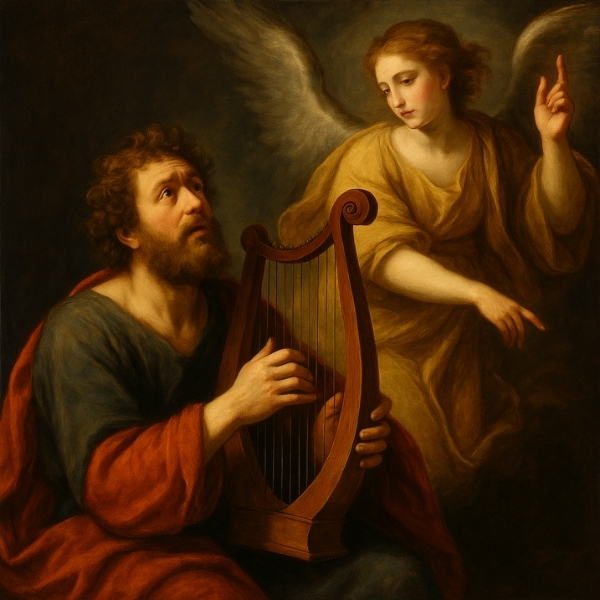
David deeply believed in the sovereignty, mercy, and righteousness of God. His unwavering faith guided him from the fields of Bethlehem to the throne of Israel. Even in moments of great failure, he turned to God in repentance, showing that brokenness did not disqualify someone from divine purpose. He valued courage, loyalty, humility before God, and passionate worship. David saw the heart as central to life and leadership, whether in facing giants, writing psalms, or seeking forgiveness. His life illustrates the belief that greatness is not found in perfection, but in one’s relationship with God.

Most Famous For:
Slaying Goliath and symbolizing faithful courage
Writing a significant portion of the Book of Psalms, remembered in scripture as “a man after God’s own heart”
Becoming Israel’s greatest king and unifier
Establishing Jerusalem as the capital of worship and governance
“Better is a little with righteousness than great revenues with injustice.”
 Ethan Townzen