
“A journey of a thousand miles begins with a single step.”
About
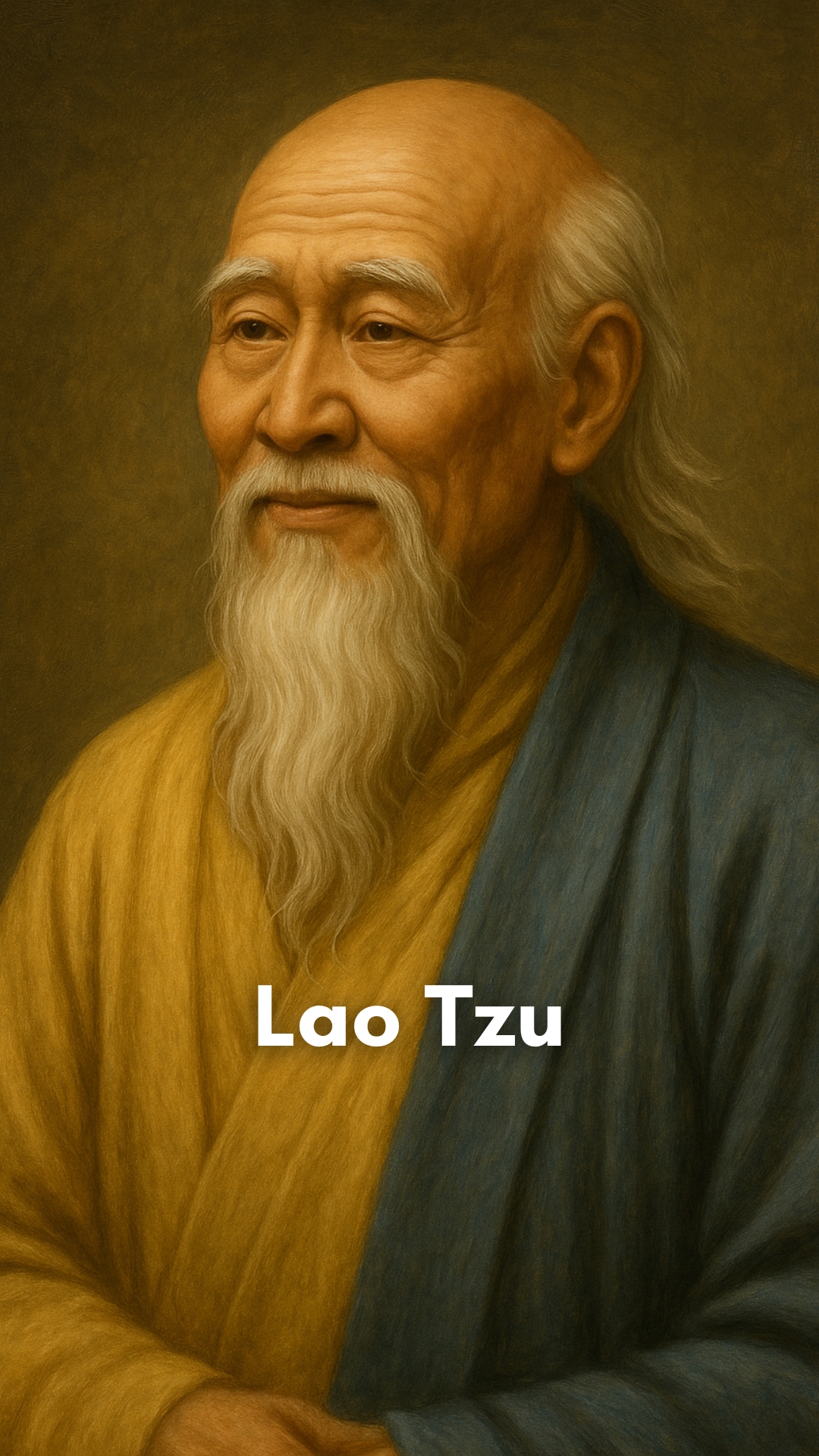
He walked away from the world, but left behind a way to live within it. Lao Tzu, the quiet sage of ancient China, taught that the wisest path is not force but flow, to bend like water, to act without striving, to lead by yielding. With just a few thousand words in the Tao Te Ching, he changed the course of philosophy, inviting humanity to return to stillness, nature, and simplicity. His footprints vanished into legend, but his wisdom remains… subtle, soft, and eternal.
Place of Birth
Chu (modern-day Henan Province, China)
Birthday
March 14, 604 BCE
Death
Unknown, believed to have disappeared into the west (5th century BCE)
Legacy
Lao Tzu is revered as the founder of Taoism and the attributed author of the Tao Te Ching, a foundational text of Eastern philosophy. His legacy shaped Chinese spirituality, art, governance, and medicine, and his emphasis on living in harmony with the Tao (the Way) continues to inspire people around the world.

Influence
Lao Tzu’s teachings deeply influenced Chinese culture, Confucianism, Zen Buddhism, and even modern mindfulness and ecological thought. His ideas about balance, simplicity, and the power of yielding over force have resonated with philosophers, poets, martial artists, and spiritual seekers for over two millennia.

Values & Beliefs
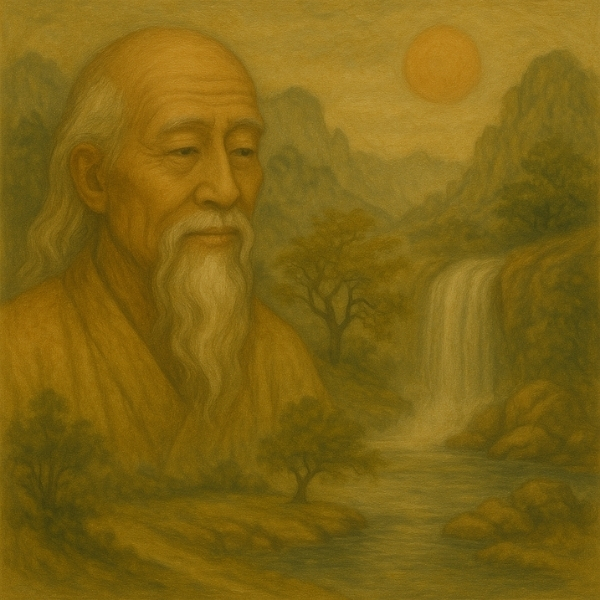
Lao Tzu valued harmony with nature, humility, non-action (wu wei), simplicity, and inner peace. He believed that true strength comes from flexibility, and that the wisest path is one that flows effortlessly, like water. His worldview emphasized balance between opposites and detachment from ego and ambition.
Most Famous For:
Writing the Tao Te Ching
Teaching wu wei (effortless action)
Promoting a life of simplicity, patience, and alignment with the natural order
“Knowing others is intelligence; knowing yourself is true wisdom. Mastering others is strength; mastering yourself is true power.”
 Ethan Townzen