
“Power can be wielded wisely, even from within the shadows.”
About
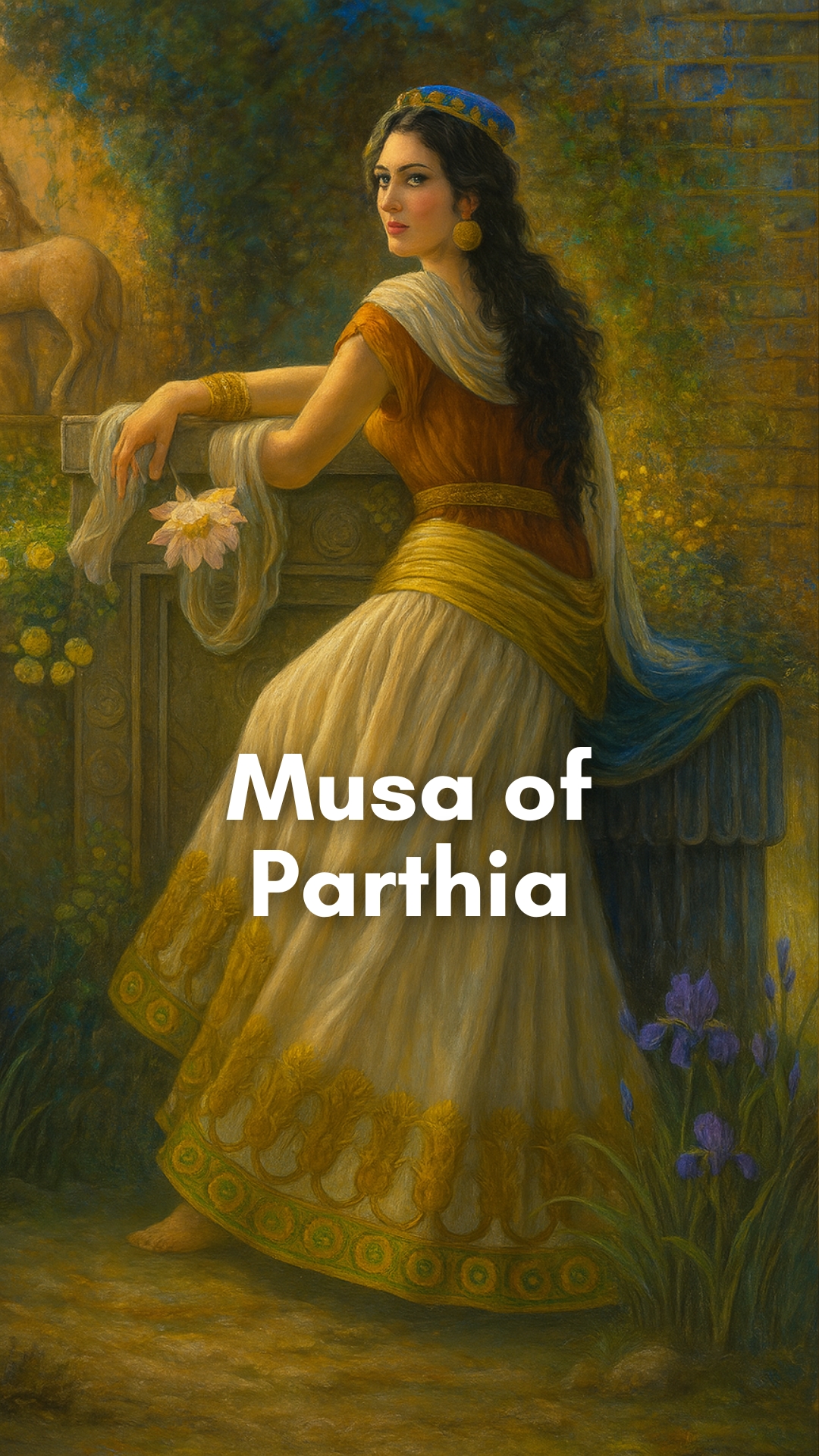
Musa of Parthia was a Roman slave gifted to the Parthian King Phraates IV, who rose to become his queen and later co-ruler of the Parthian Empire. Known for her intelligence and political acumen, Musa became one of the few women in antiquity to rule a major empire. She co-ruled with her son, Phraates V, after orchestrating the assassination of her husband, becoming queen regnant in a society that rarely permitted female leadership.
Place of Birth
Rome, Italy (Roman Empire)
Birthday
2 BCE
Death
4 AD (Deposed by the Parthian nobility)
Legacy
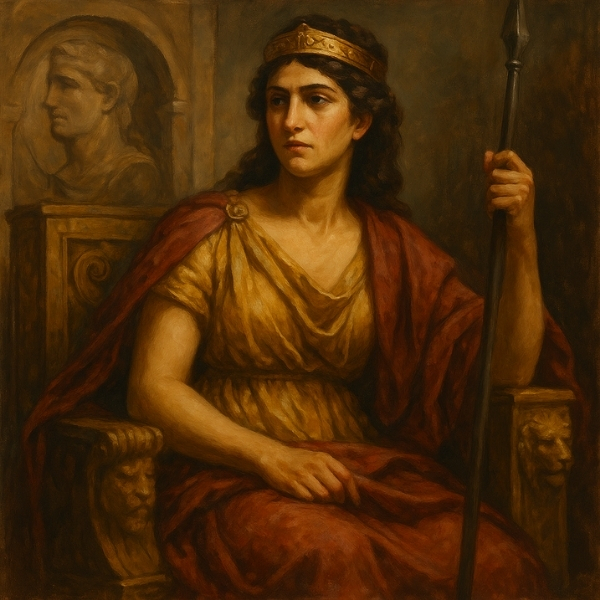
Musa’s legacy lies in her extraordinary rise from slavery to queenship in a powerful ancient empire. She navigated the complexities of Parthian court politics, Roman interests, and internal power struggles to secure the throne for herself and her son. Her reign, although brief, demonstrated the ability of women to exercise power in patriarchal societies, making her one of the few known female rulers of the Parthian Empire.
Influence
While records of Musa’s reign are scarce, her story demonstrates the potential for women to wield significant influence in male-dominated societies. Her life serves as an example of resilience and ambition, inspiring the study of women in ancient power structures. She is often cited in discussions about women’s agency in antiquity and the intersections of Roman and Parthian relations.
Values & Beliefs
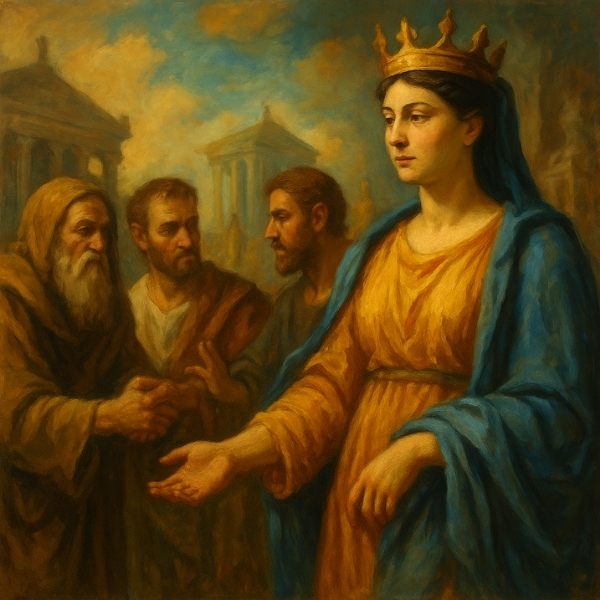
Musa valued strategic thinking, survival, and the use of intelligence to navigate power structures. She demonstrated the importance of adaptability and careful alliance-building in maintaining influence. Her actions suggest a belief in seizing opportunities, even within systems designed to suppress women, to secure a legacy and protect her lineage.
Most Famous For:
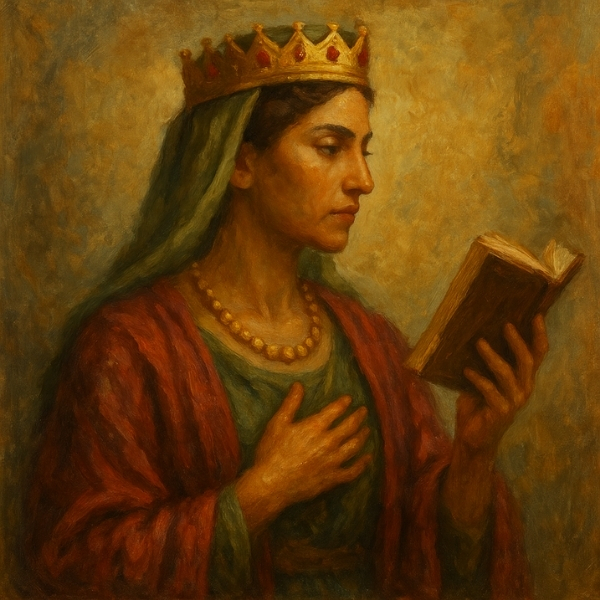
Rising from Roman slavery to become Queen of the Parthian Empire
Serving as co-ruler with her son Phraates V
Navigating Parthian-Roman diplomatic complexities
Demonstrating female leadership in a patriarchal society
Being one of the few recorded female monarchs in Parthian history
“I rose from chains to a throne, proving that no destiny is final.”
 Ethan Townzen