
“I am convinced that life is 10% what happens to me and 90% how I react to it.”

About
Scipio Africanus was Rome’s answer to Hannibal… cunning, composed, and unshakably confident. Rising to command during the Second Punic War, he turned the tide by taking the fight to North Africa and defeating Hannibal at the Battle of Zama. But Scipio was more than a general, he was a visionary statesman who fused Greek intellect with Roman discipline. Admired in his day and envied by rivals, he embodied Rome’s growing power and ambition, leaving a legacy carved into the heart of empire.
Place of Birth
Rome, Roman Republic
Birthday
236 BCE
Death
183 BCE in Liternum, Roman Republic (modern-day Italy)
Legacy
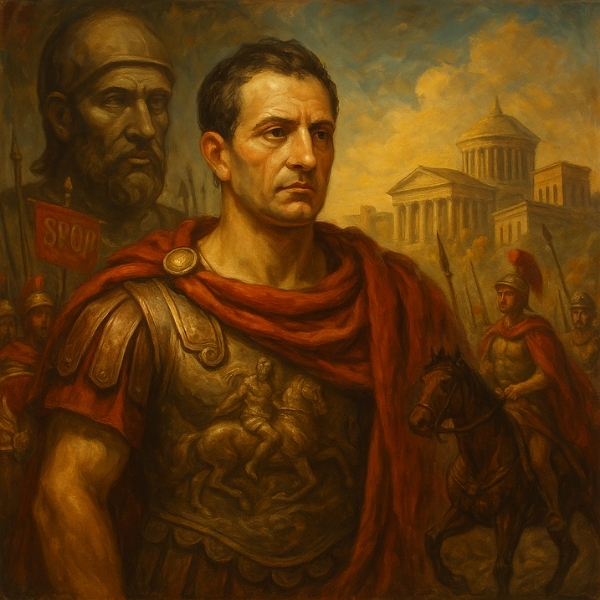
Scipio Africanus was a Roman general and strategist who defeated Hannibal in the Battle of Zama, effectively ending the Second Punic War. His leadership preserved Rome’s dominance and began its transition into a Mediterranean superpower. Scipio’s military genius, diplomatic tact, and political vision helped shape the Roman Republic’s path to empire, earning him a place among history’s greatest commanders.
Influence
Scipio’s influence extended across generations of military and political leaders. He revolutionized Roman military tactics by adopting and improving upon Carthaginian strategies, demonstrating the value of adaptability and intelligence in warfare. His life inspired figures like Julius Caesar and Napoleon, who admired his cool-headed leadership and boldness in the face of adversity.
Values & Beliefs
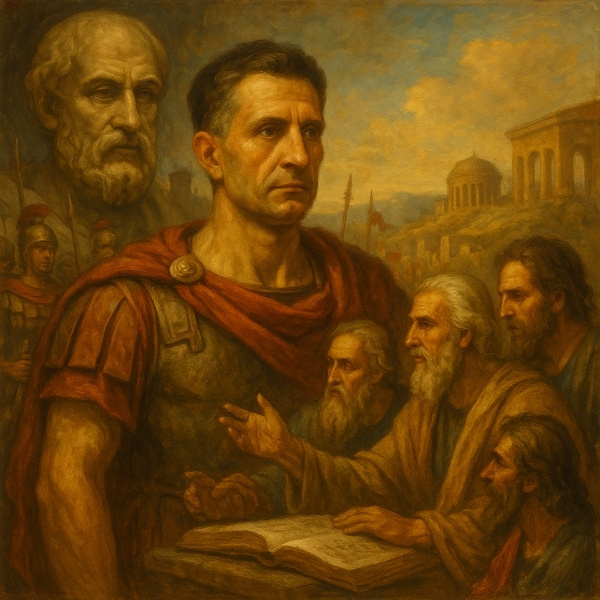
Scipio valued discipline, foresight, and honor. Known for his composure and moral restraint, he was both feared and respected. He believed in duty over personal ambition, famously refusing political dictatorship after his victories. A lover of Greek culture and philosophy, Scipio’s worldview was shaped by both Roman pragmatism and Hellenistic ideals of virtue, reason, and harmony.
Most Famous For:
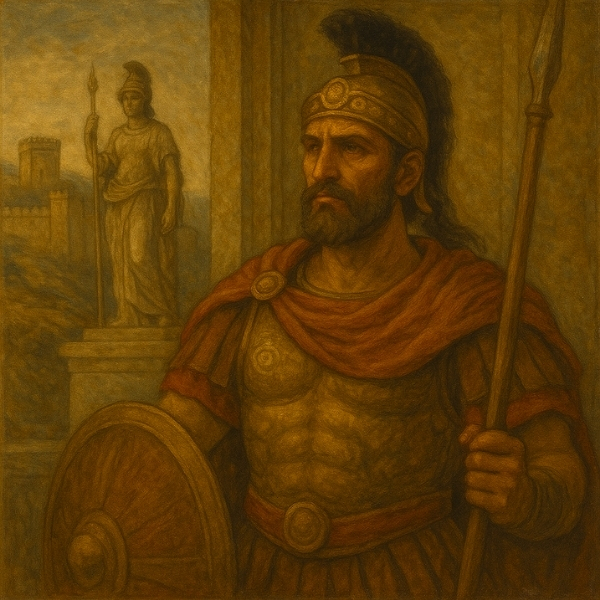
Defeating Hannibal at the Battle of Zama during the Second Punic War
Saving the Roman Republic from Carthaginian domination
Transforming Roman military strategy with tactical brilliance
Upholding civic virtue by declining absolute power
“I am convinced that neither fear of death nor hope of life can sway a man who is truly worthy.”
 Ethan Townzen