
“I’d rather die on my feet than live on my knees.”

About
Spartacus was a Thracian gladiator who led one of the most famous slave uprisings in ancient history: the Third Servile War (73–71 BCE). Enslaved and forced to fight in the arena, he escaped a gladiator school in Capua and became the leader of a massive revolt that challenged the Roman Republic itself. Spartacus rallied tens of thousands of slaves, former soldiers, and laborers in a fight for freedom, marching across the Italian peninsula and defeating several Roman legions. Though ultimately defeated, his story became a timeless symbol of resistance against oppression.
Place of Birth
Northeastern Greece, (Modern Day Bulgaria)
Birthday
111 BCE
Death
71 BCE, Southern Italy (killed in battle near Silarus River)
Legacy
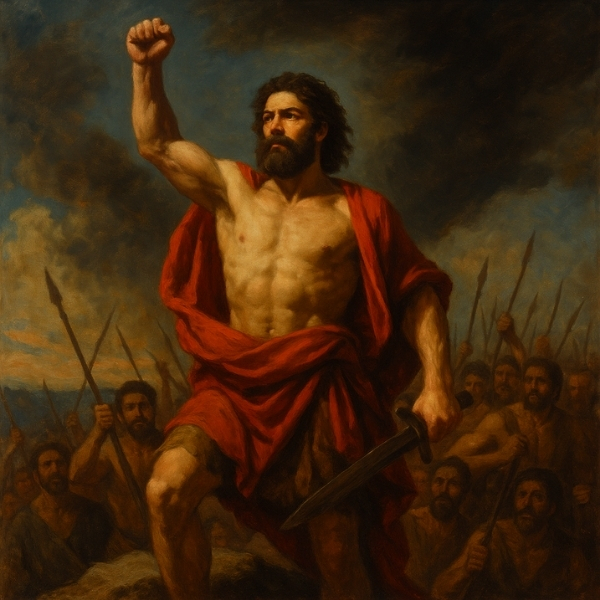
Spartacus’ legacy lives on as a global icon of resistance and liberation. His rebellion, though crushed, terrified the Roman elite and exposed the brutal reality of the empire’s slave system. He is remembered not for founding a kingdom or writing laws, but for standing against injustice when the odds were impossibly stacked against him. His name has endured through centuries of revolutions, civil rights movements, and political struggles, representing the courage to defy tyranny in pursuit of dignity and freedom.
Influence
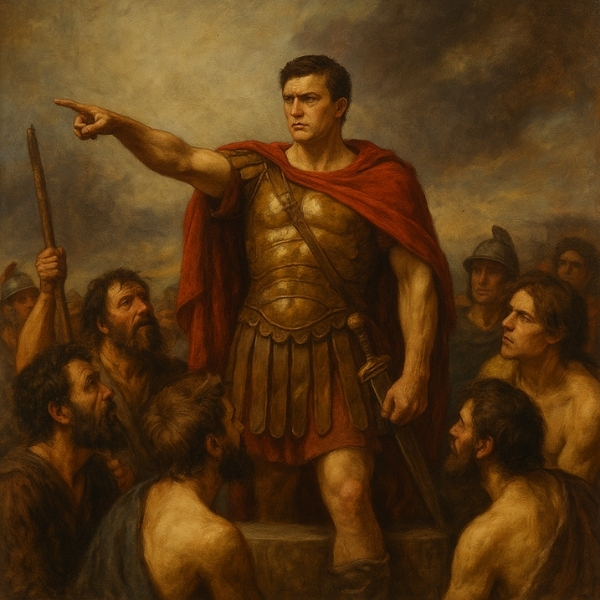
From ancient chroniclers to modern revolutionaries, Spartacus has inspired thinkers, artists, and leaders across cultures. Karl Marx and other socialist writers hailed him as a hero of the working class. His story was famously dramatized in the 1960 film “Spartacus,” starring Kirk Douglas, which became a cultural touchstone for themes of defiance and collective resistance. He has influenced slave narratives, political speeches, literature, and movements for liberation throughout history.
Values & Beliefs
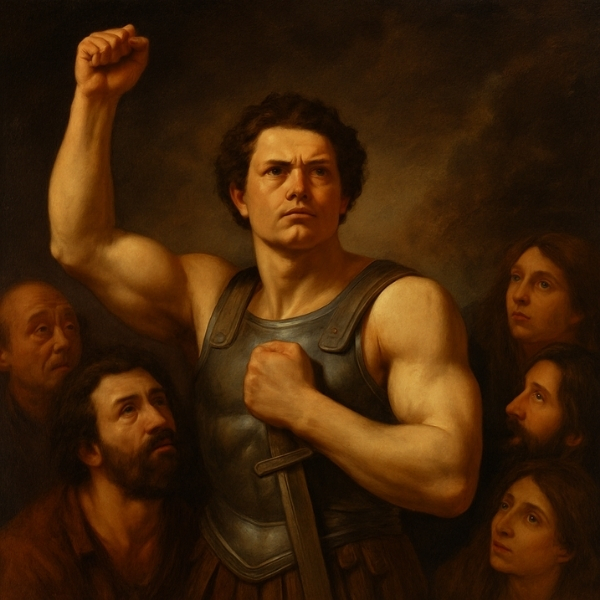
Spartacus stood for freedom, dignity, and the refusal to submit to dehumanization. Though history offers few of his actual words, his actions spoke of a man who valued justice over safety and solidarity over surrender. He believed in the right of every human being to live free from chains and proved that even those deemed powerless could rise and shake an empire. Spartacus lived and died by the conviction that liberty is worth fighting for, even to the death.
Most Famous For:
Leading the Third Servile War, the largest slave rebellion in Roman history
Uniting over 70,000 escaped slaves and warriors against the Roman Republic
Defeating multiple Roman armies in a campaign for freedom
A timeless figure of rebellion, referenced in art, film, and political movements
“Better to die fighting for freedom than live in chains.”
 Ethan Townzen