
“Live your life so that the fear of death can never enter your heart.”
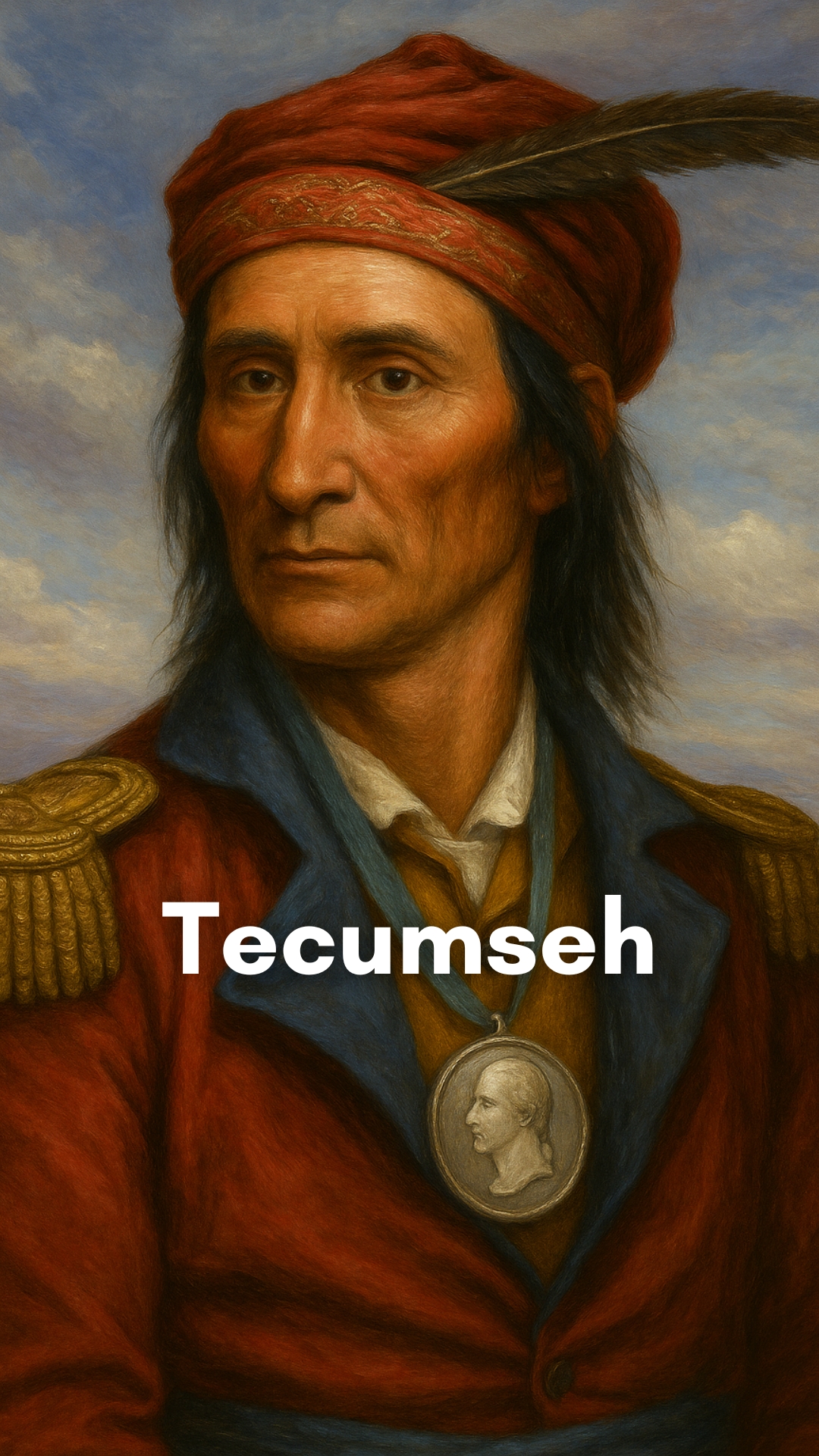
About
Tecumseh walked with the spirit of a warrior and the vision of a nation. A Shawnee leader with unmatched eloquence and courage, he dreamed of a united Indigenous confederacy, tribes standing together to protect their lands, cultures, and future. He traveled thousands of miles to rally Native peoples against U.S. expansion, fighting not for conquest, but for dignity and survival. Even in defeat, his honor endured. Tecumseh remains a symbol of unity, resistance, and the unbreakable will to stand for one’s people.
Place of Birth
Village of Piqua, Ohio (Shawnee territory)
Birthday
March 9, 1768
Death
October 5, 1813, at the Battle of the Thames, Ontario, Canada
Legacy
Tecumseh was a renowned Shawnee leader and visionary who sought to unite Indigenous tribes across North America in resistance to American expansion. Charismatic, eloquent, and deeply principled, he traveled vast distances to build a confederation rooted in unity and sovereignty. Though he died in battle during the War of 1812, his legacy as a courageous warrior, peacemaker, and unifier endures as a symbol of Indigenous resilience and leadership.
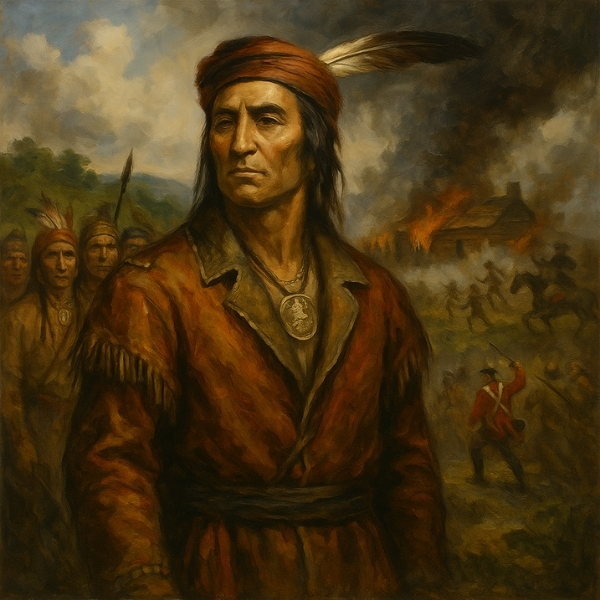
Influence
Tecumseh’s influence extended far beyond his lifetime. He challenged both U.S. and British forces, asserting the rights of Indigenous peoples to land, culture, and autonomy. His efforts to form a pan-tribal alliance were unprecedented, and his diplomacy and speeches inspired generations of Native leaders. He is remembered not only in Indigenous history but also in American and Canadian history as a figure of resistance, dignity, and unity.
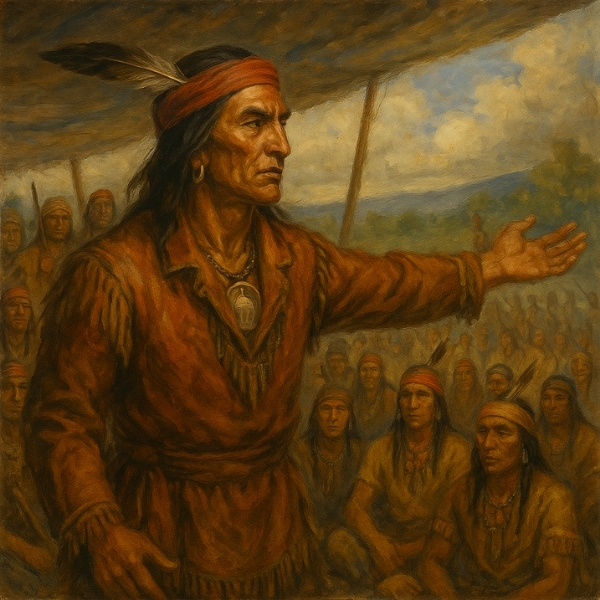
Values & Beliefs
Tecumseh valued unity, honor, and respect for the land. He believed that no one tribe, or individual, owned land, but that it belonged to all Native peoples collectively. His life reflected courage, moral conviction, and a desire for justice. He urged his people to live with integrity, bravery, and reverence for nature and ancestors. His spiritual and philosophical depth made him both a warrior and a teacher.
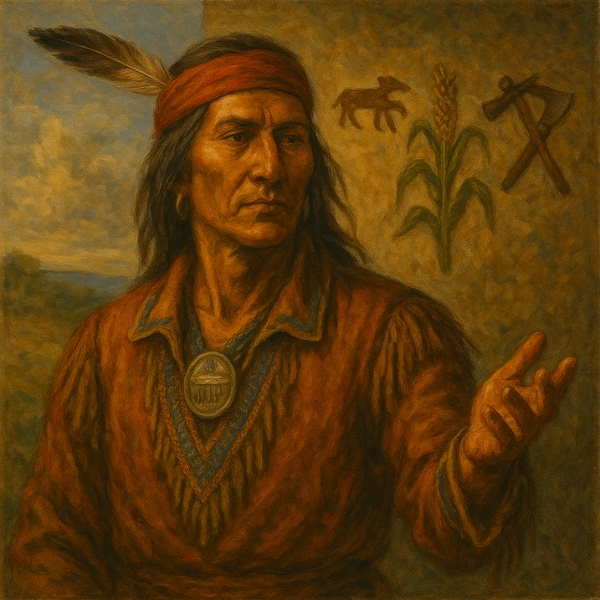
Most Famous For:
Leading a pan-Indigenous confederation to resist U.S. expansion
Fighting in the War of 1812 as a key ally of the British
Delivering powerful speeches promoting unity, dignity, and sovereignty
Challenging U.S. land treaties and policies that undermined Native nations
“When your time comes to die, be not like those whose hearts are filled with fear… Sing your death song, and die like a hero going home.”
 Ethan Townzen