
“Success is not final, failure is not fatal: it is the courage to continue that counts.”
About
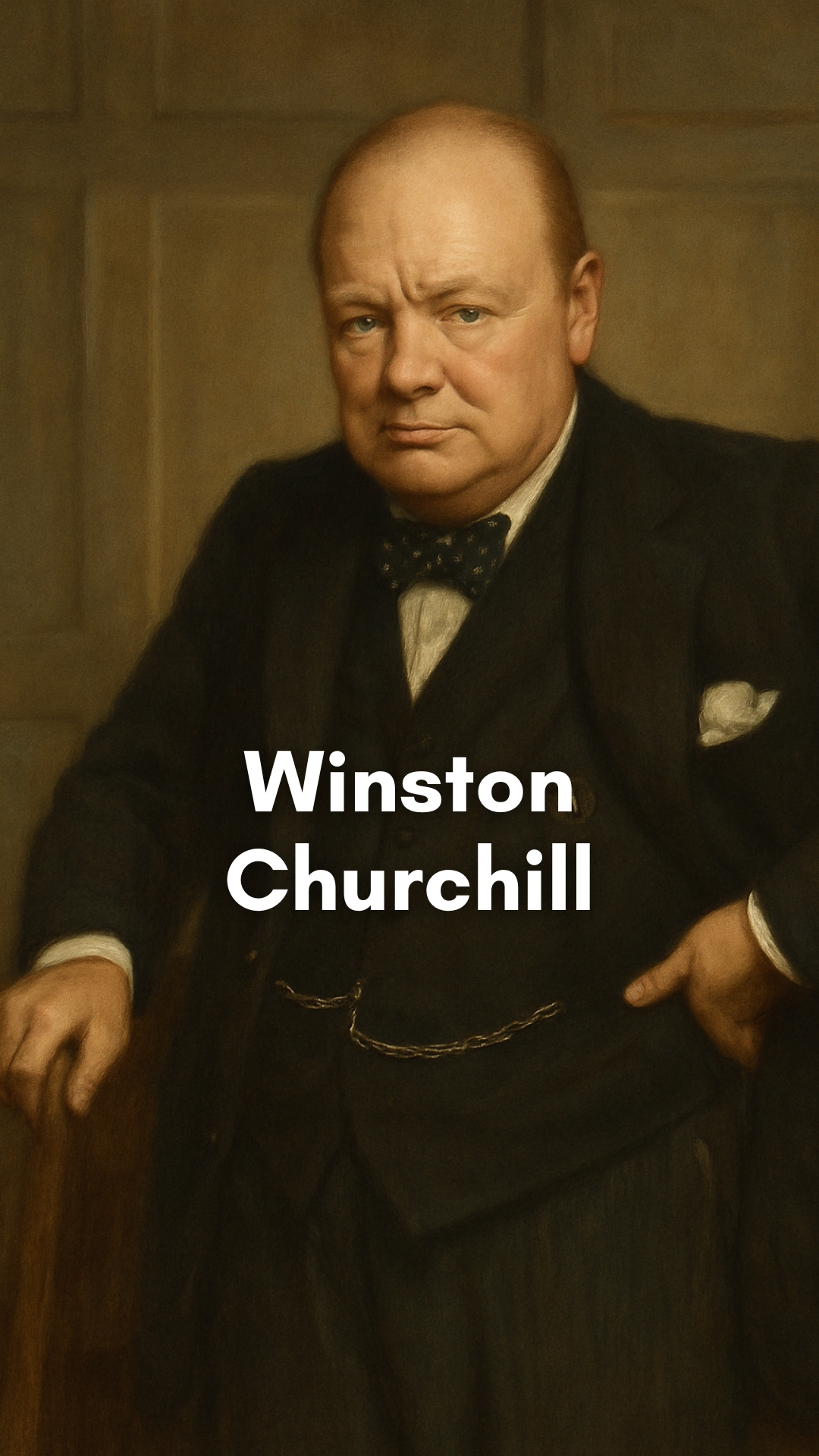
Winston Churchill stood unshaken in Britain’s darkest hour, a voice of defiance when the world trembled. Born into aristocracy and forged in war, he rose to lead the nation through the storm of World War II. With grit, wit, and soaring speeches, he rallied resistance against tyranny and turned the tide of history. Behind the bulldog tenacity was a complex thinker, writer, and Nobel laureate who understood both the cost of war and the weight of leadership. Churchill didn’t just fight battles… he gave courage a name.
Place of Birth
Blenheim Palace, Oxfordshire, England
Birthday
November 30, 1874
Death
January 24, 1965 in London, England
Legacy
Winston Churchill was a British statesman, orator, soldier, and writer who served twice as Prime Minister of the United Kingdom, most famously during World War II. His unwavering leadership during Britain’s darkest hours earned him a reputation as one of the greatest wartime leaders in history. A Nobel Prize-winning author and powerful speaker, Churchill’s influence spanned politics, literature, and global diplomacy, leaving an enduring legacy of resilience, resolve, and rhetoric.
Influence
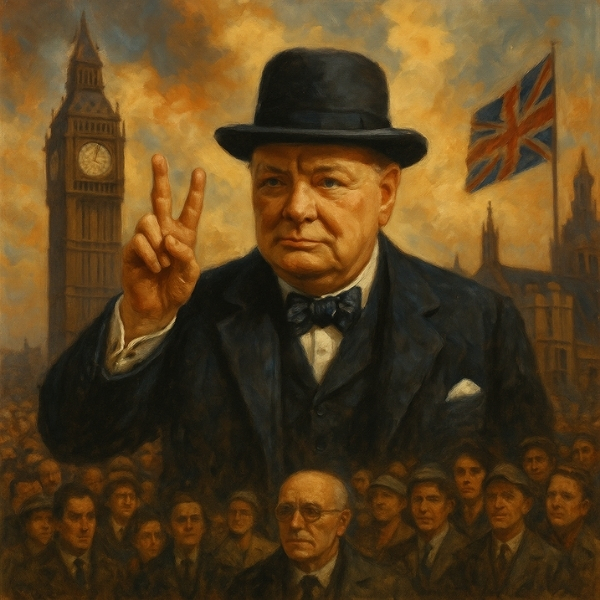
Churchill’s influence is most felt through his role in rallying Britain and the Allied powers during World War II. His speeches, diplomacy, and unshakeable spirit helped turn the tide of global conflict. Beyond wartime, he shaped modern British conservatism and contributed to the formation of NATO. His historical writings, including The Second World War, solidified his place not only as a leader but as a chronicler of history itself.
Values & Beliefs
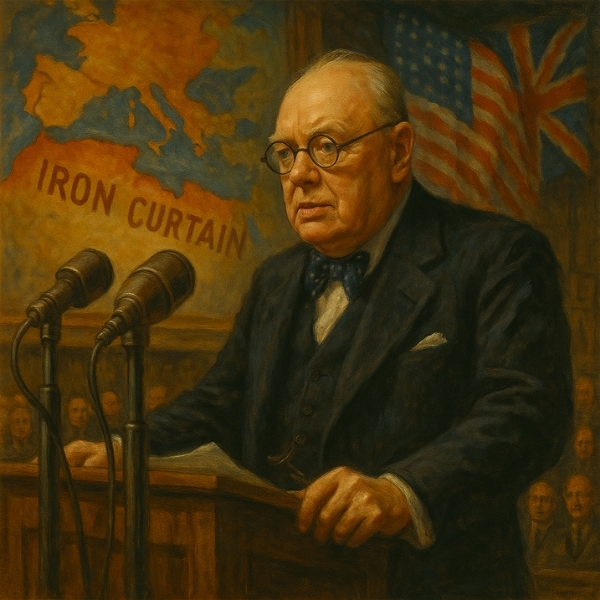
Churchill valued courage, freedom, duty, and perseverance. He believed in the strength of the individual to rise above adversity, the importance of defending democracy, and the power of words to inspire action. Though complex and sometimes controversial, his commitment to national unity and global stability remained unwavering. He championed both tradition and change, always guided by a fierce loyalty to his country.
Most Famous For:
Leading Britain through World War II as Prime Minister
Delivering iconic speeches like “We shall fight on the beaches” and “Their finest hour”
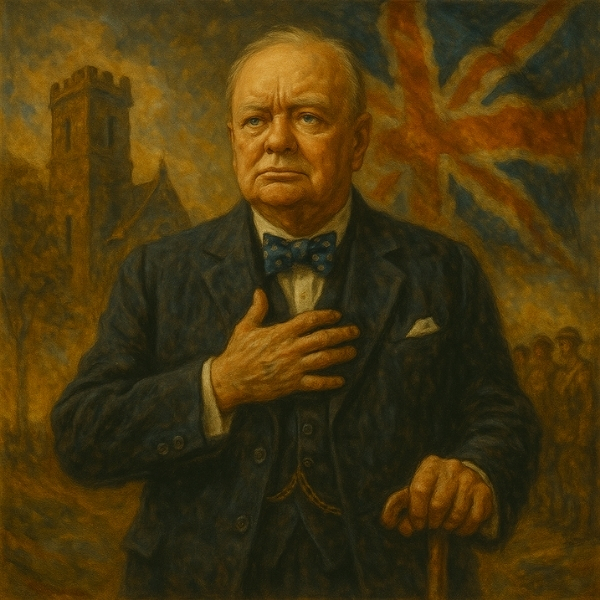
Coining the term “Iron Curtain” and warning of Soviet expansion
Winning the Nobel Prize in Literature in 1953 for his historical writing
“If you’re going through hell, keep going.”
 Ethan Townzen